The Las Vegas Raiders vs Tampa Bay Buccaneers Match Player Stats & Full Game Analysis gives you a clear picture of how momentum shifted and which players controlled the pace. This matchup delivered sharp offensive bursts, sudden defensive shocks, and dramatic game swings that shaped the final outcome. Every drive felt tense because both teams fought for rhythm, space, and field control.
The duel carried heavy anticipation across the USA audience because fans wanted real insight into game flow, performance trends, and player impact. That made the Las Vegas Raiders vs Tampa Bay Buccaneers Match Player Stats & Full Game Analysis essential for understanding how the league’s most unpredictable matchups unfold. You’ll see how situational football, drive efficiency, and explosive moments changed everything.
Complete Match Overview of Raiders vs Buccaneers Player Stats
The first phase of this Las Vegas Raiders vs Tampa Bay Buccaneers Match Player Stats & Full Game Analysis shows how both sides traded momentum early. The Raiders leaned on offensive balance while Tampa Bay focused on pace and spacing. Each possession exposed new gaps because coverage breakdowns opened windows for deep throws and mid-field gains. Those early sequences shaped drive-by-drive reactions.
Raiders fans noticed how team efficiency metrics shifted with every snap. The Buccaneers responded with smarter route designs and wider formations. This created small lanes that built steady yards per play. You could feel the intensity rise because both defenses made constant adjustments. That led to tight windows, quick pressure, and a real chess-match feel across all four quarters.
Key Match Flow, Scoring Pace, and Statistical Summary
The play-by-play analysis revealed steady momentum shifts because each side changed tempo throughout the night. Tampa Bay played fast when they saw soft zones. The Raiders slowed the game when they wanted possession control. That contrast shaped the scoring pattern and helped define the entire match rhythm.
First-Half Breakdown: Offensive and Defensive Performance
The first half felt like two separate stories. Tampa Bay fired early behind sharp timing throws and clean blocking while the Raiders waited for the right moment to adjust. Their defensive line impact improved mid-quarter as pressure rate increased. Those snaps forced mistakes and stalled Tampa’s early rhythm. The Raiders defense started finding angles that made the Buccaneers hesitate in key downs.
Offensively the Raiders tried mixing short throws with strong rushing attempts and yards to slow Tampa Bay’s coverage reactions. Their plan focused on simple reads and fewer drive-killing mistakes. That reduced turnovers and kept the ball moving. Tampa Bay countered with tighter coverage and faster safety rotations to disrupt timing routes.
Raiders Offensive Rhythm vs Buccaneers Defensive Pressure
The Raiders offense improved whenever they avoided third-down conversion pressure. Tampa Bay relied on disguised blitz looks to disturb the pocket. Those moments revealed how delicate offensive balance can be when both sides understand each other’s tendencies.
Second-Half Momentum Shifts and Key Statistical Highlights
The second half saw dramatic swings as both teams found new ways to attack. Tampa Bay leaned heavily on intermediate throws that targeted soft zones across the middle. The Raiders adjusted by pushing more defensive pressure up front. That move limited explosive play rate and forced shorter gains. Each snap became more urgent because field positions changed quickly.
What made this half intense was possession management. The Raiders tried stretching drives while Tampa Bay attempted quick-strike series. Situational football decided everything. That included red zone efficiency, third-down reads, and sudden bursts that flipped momentum.
Surge Moments, Critical Drives, and Field Position Battles
When the Buccaneers gained field position, they pushed tempo fast. The Raiders answered by stretching possessions. These contrasting strategies shaped the flow and highlighted how yardage efficiency affects outcomes.
Quarterback Performance and Passing Efficiency Analysis
This part of the Las Vegas Raiders vs Tampa Bay Buccaneers Match Player Stats & Full Game Analysis shows how both quarterbacks handled pressure. Timing mattered because defensive pressure stats created hurried throws. Tampa Bay’s quarterback executed cleaner reads during long drives while the Raiders QB tried to extend plays to create space. Those moves created clear variations in NFL passing yards across each quarter.
Pocket discipline shaped most of the production. Deep shots worked only when the pocket stayed clean. Shorter throws relied on fast release and smart reads. Every play showed how tiny differences separate efficiency from risk.
Accuracy, Pocket Decisions, and Deep Throw Metrics
Passing trends revealed a gap between quick-release throws and deeper attempts. You could see where confidence grew because each quarterback trusted certain routes more than others. That rhythm shaped each scoring drive.
Running and Receiving Stats That Shaped the Game Outcome
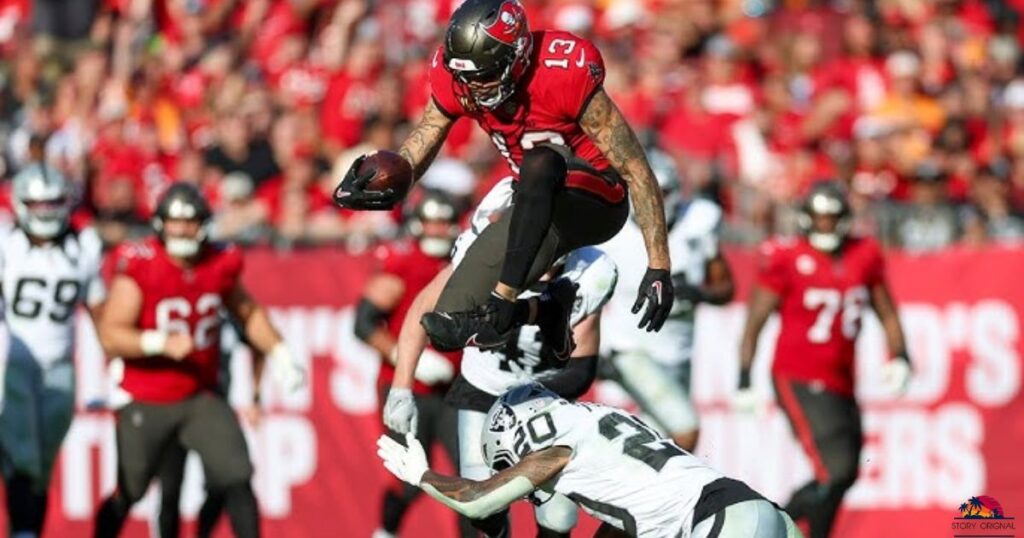
Rushing attempts and yards became vital whenever the game tightened. Both teams used running backs to reset tempo. Tampa Bay found lanes off zone runs while the Raiders used inside power to wear down the defense. Strong runs created balance and improved play-calling strategy across the second half.
Receiving yards leaders emerged from precise route running and separation skills. Some moments came from broken coverage while others came from pure execution. Every explosive moment created pressure for the opposing defense because spacing shifted dramatically.
Ground Control, Yards After Contact, and Red-Zone Impact
The Raiders created key gains after contact while Tampa Bay leaned on crisp timing in red zone trips. Those variations created contrasting trends in scoring opportunities and helped define how the game evolved.
Defensive Standouts and Game-Changing Plays
Defensive adjustments played a huge part in this matchup. Tampa Bay’s linebackers closed gaps fast while the Raiders relied on edge pressure to disrupt passing lanes. Coverage breakdown moments harmed both defenses at times but each unit delivered timely stops that influenced field position. Those shifts created game-defining moments through sacks, swats, and closing bursts.
Some players stepped up at crucial times. Tackles in space, forced throwaways, and sudden pressures turned drives upside down. You could see statistical dominance grow whenever a defender read formations early and reacted before the offense could shift.
Sack Pressure, Coverage Dominance, and High-Impact Stops
Pressure drives highlighted how critical defensive tempo is. Strong bursts from edge rushers forced bad throws and altered timing routes. Coverage players complemented that pressure with tight reads and fast breaks on the ball.
Special Teams Impact and Hidden Statistical Contributions
Special teams performance quietly shaped much of the game’s direction. Field goal efficiency kept drives meaningful while punt average yardage changed where each offense started. Kick return yardage offered momentum jumps that lifted offensive confidence. You could see how overlooked stats influenced the tone of each quarter.
Every special teams play altered space on the field. That meant drive efficiency shifts happened suddenly. A long punt or short return forced a different strategy. A steady kicker provided scoring stability even when drives stalled.
Field Goals, Kick Returns, and Field Position Influence
A few special teams moments set the tone for entire drives. You could feel momentum shift whenever field position tilted sharply in one direction. That tension carried over into each offensive play.
Turnovers, Efficiency Ratings, and Critical Game Comparisons
Turnovers changed everything. One interception or fumble recovery altered momentum so sharply that the entire game dynamic flipped. Efficiency ratings exposed the difference between clean drives and messy ones. You could see how small mistakes turned into big field changes. It made the matchup unpredictable and chaotic at times.
Critical comparisons revealed why each team found different success paths. Tampa Bay relied on short rhythm throws while Las Vegas focused on aggressive spacing and deeper routes. Their strategies shaped turnovers, drive success, and red zone scoring percentage.
Turnover Chain Sequence and Momentum Implications
Each turnover created a shift. The team that reacted faster gained control. Those sequences defined scoring runs and defensive bursts that shaped the final outcome.
Historical Performance Context Between Raiders and Buccaneers
The rivalry history adds weight to this Las Vegas Raiders vs Tampa Bay Buccaneers Match Player Stats & Full Game Analysis. Past matchups showed similar patterns. Explosive plays NFL style often determined outcomes because both teams rely on aggressive schemes. Their defensive fronts play high-energy football which creates constant pressure.
Old games revealed themes of offensive bursts and unexpected turnovers. When both teams meet, trends like time of possession comparison and situational football always shape the narrative.
Past Matchups, Statistical Themes, and Rivalry Notes
Historical context shows how every meeting includes surprises. Both teams push the pace early, shift strategies mid-game, and fight through dramatic defensive swings.
Final Insights, Records, and Key Takeaways From the Match
This Las Vegas Raiders vs Tampa Bay Buccaneers Match Player Stats & Full Game Analysis shows how execution matters more than style. The Raiders pushed for deep shots while Tampa Bay relied on crisp timing. Each unit battled through highs and lows. You could feel intensity rising as adjustments shaped new patterns.
Records, efficiency numbers, and play-calling decisions will influence how both teams approach future matchups. Performance trends show clear areas for improvement but also highlight where strengths can be scaled in upcoming games.
What the Raiders vs Buccaneers Match Player Stats Reveal Moving Forward
This matchup gave coaches valuable data for future games. Efficiency, pressure, red-zone execution, and possession control will define both teams as the season moves forward.