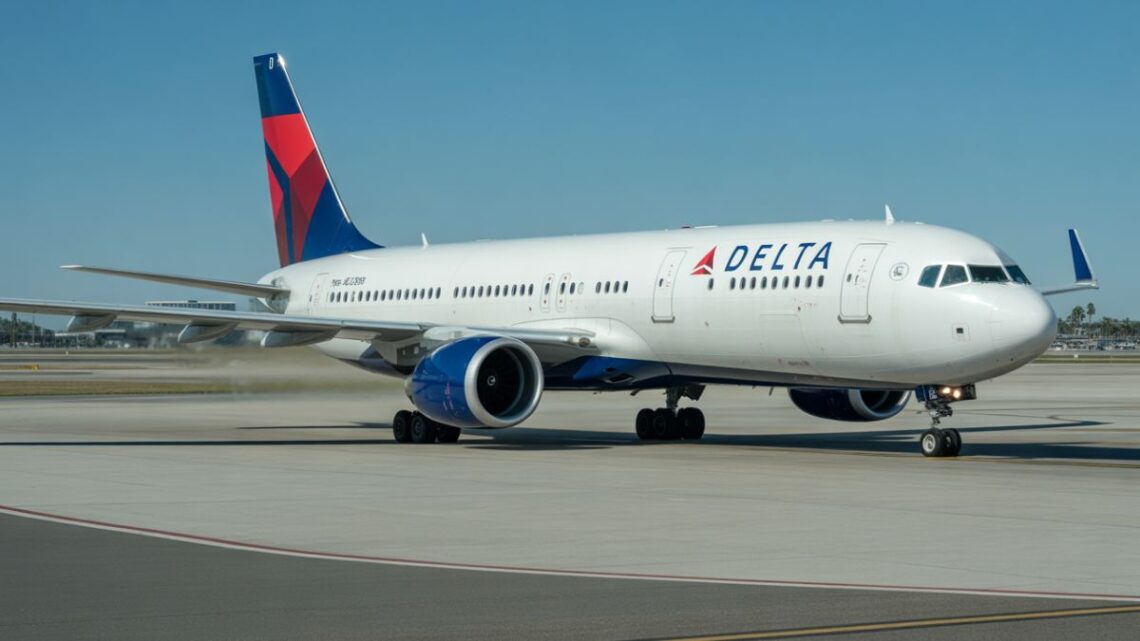
Air travel is one of the safest forms of transportation, yet moments like a sudden diversion can feel alarming for passengers. When Delta Flight DL275 diverted to LAX, the incident quickly gained attention across aviation news, social media, and among frequent travelers. What began as a routine long-haul journey turned into a real-world example of how modern airlines handle an in-flight emergency with a safety-first approach.
This in-depth article explains what happened, why DL275 was rerouted to Los Angeles, how Delta Airlines responded, and the key safety lessons travelers can learn. Written in simple, easy English, this guide is designed to inform, reassure, and build confidence in modern aviation systems.
Background of Delta Flight DL275 and Its Original Route
Delta Flight DL275 is a well-known long-haul international service operated by Delta Air Lines. The flight usually travels from Detroit Metropolitan Wayne County Airport (DTW) to Tokyo Haneda Airport (HND), crossing the Pacific Ocean. This trans-Pacific route is important for both business and leisure travelers and is often operated using modern wide-body aircraft such as the Airbus A350-900, a plane designed for long-distance comfort, fuel efficiency, and advanced safety.
Under normal conditions, DL275 is a smooth journey lasting around 13 hours. Because of its length and remote routing over the Pacific Ocean, flights like DL275 follow strict aviation safety standards. Any abnormal system warning on such a route is taken seriously, which is why this Delta long-haul flight diversion became such an important case study in airline safety.
What Is a Flight Diversion and Why Airlines Use It
A flight diversion happens when an aircraft cannot safely continue to its planned destination and must land at an alternate airport. A Delta flight diversion is not a failure; it is a precautionary decision designed to protect passengers, crew, and the aircraft.
Airlines divert flights for several reasons, including mechanical warnings, medical emergencies, weather risks, or security concerns. In every case, pilot decision-making is guided by strict rules, real-time data, and coordination with air traffic control. The goal is always a precautionary landing rather than taking unnecessary risks.
Los Angeles International Airport (LAX) is frequently chosen as an alternate airport because it has long runways, advanced emergency services, and experienced ground teams. This makes a flight diverted to LAX one of the safest options when issues arise over the Pacific.
Timeline of Events Leading to DL275’s Diversion to LAX
The journey of Delta Flight DL275 began normally, with all pre-flight checks completed successfully. Several hours into the flight, while cruising over the Pacific Ocean, the cockpit received an alert from the aircraft’s monitoring systems. These alerts are part of a sophisticated cockpit alert system designed to detect even minor abnormalities.
After reviewing the data, the pilots followed emergency checklists for pilots and contacted air traffic control. Given the aircraft’s location and the nature of the alert, continuing to Tokyo was no longer the safest option. Within minutes, the decision was made to divert.
The aircraft was officially rerouted, making this a confirmed DL275 flight rerouted situation. Air traffic controllers coordinated the new flight path, and LAX prepared for an emergency arrival. The aircraft landed safely, demonstrating how air traffic control coordination and airline procedures work together in real time.
Main Reasons Behind the Delta Flight DL275 Diversion
While airlines often avoid sharing excessive technical detail immediately, reports later indicated a mechanical / technical issue aircraft warning. Specifically, the problem was linked to an engine anti-ice system malfunction. This system prevents ice buildup on critical engine components, especially important during high-altitude and cold-weather flight.
Although the aircraft was still flyable, aviation rules require pilots to land as soon as practical when such systems are compromised. This does not mean the plane was about to fail. Instead, it reflects a passenger safety priority and strict risk mitigation in aviation.
Possible causes considered during any diversion include medical emergencies, weather changes, and security concerns. In this case, the mechanical alert was enough to justify immediate action.
How Delta Airlines Handled the In-Flight Emergency
The Delta Airlines emergency response followed internationally approved procedures. Pilots relied on FAA-approved diversion protocols, while cabin crew focused on cabin crew communication and passenger reassurance.
Passengers were informed calmly and clearly. This type of airline communication with passengers is essential to reduce fear and confusion. Behind the scenes, Delta operations teams coordinated with LAX to ensure emergency services, maintenance crews, and gate availability were ready.
This structured response shows Delta’s airline safety commitment and highlights why training and preparation matter during unexpected events.
Passenger Experience During the DL275 Diversion
For passengers, a diversion can be stressful. Reports from travelers described initial passenger anxiety during emergency landing, followed by relief as the crew explained the situation. Many praised the cabin crew professionalism, noting regular updates and a calm tone throughout the flight.
Some passengers later shared their experiences online, contributing to the social media reaction Delta flight received. While disruptions like missed connections occurred, most travelers acknowledged that safety was handled correctly.
This real-world passenger experience during flight diversion shows how communication and professionalism can turn fear into trust.
Landing at Los Angeles International Airport (LAX): What Happened Next
Once LAX was confirmed as the diversion airport, emergency teams prepared for arrival. A diverted flight landing LAX typically receives priority clearance, ensuring a smooth and controlled landing.
DL275 touched down safely, marking a successful Delta DL275 emergency landing LAX. Emergency vehicles were present as a precaution, and passengers were instructed to remain seated until safety checks were completed.
LAX’s infrastructure makes it ideal for handling a Los Angeles International Airport diversion, especially for large international aircraft.
On-the-Ground Handling and Post-Landing Procedures
After landing, the aircraft underwent aircraft inspection after landing by Delta engineers and airport maintenance teams. These aircraft maintenance checks are essential before any further flight.
Passengers disembarked calmly and were guided to Delta service desks. The airline arranged rebooking and accommodation after diversion, including hotels and meal vouchers where required. While some travelers faced missed connections due to diversion, Delta followed standard policies to minimize inconvenience.
Regulatory Oversight and Aviation Safety Protocols
Every significant diversion is reviewed under aviation regulatory oversight. The FAA monitors compliance with safety procedures, and in some cases, the NTSB investigation may analyze technical data to improve future safety.
This process ensures regulatory compliance aviation and helps airlines refine maintenance and training programs. Diversions like DL275 contribute to safer skies by identifying potential risks early.
Impact of the DL275 Diversion on Passengers and Operations
The DL275 flight diversion incident affected more than just the passengers onboard. Delta had to adjust aircraft scheduling, manage crew duty limits, and absorb operational costs. These challenges highlight why diversions are expensive but necessary.
Passengers experienced delays, overnight stays, and itinerary changes. However, no injuries were reported, reinforcing the idea that safety outweighed inconvenience.
Public, Media, and Social Media Reaction to the Incident
The event generated widespread media coverage Delta Airlines diversion, with aviation outlets explaining the technical background. On social platforms, passenger tweets flight diverted often praised the crew, while aviation experts emphasized transparency.
Overall, public reaction to flight diversion leaned positive, especially once it became clear that the decision prevented greater risk.
Historical Context: Similar Delta Flight Diversions in the Past
Diversions are rare but not new. Delta, like all major airlines, has faced past incidents involving medical emergencies, weather, and mechanical alerts. Each case has contributed to improved emergency preparedness airlines programs.
What made this case notable was the long-haul nature of the flight and the aircraft involved, making it a textbook example of modern safety systems in action.
Key Safety Lessons Highlighted by Delta Flight DL275
The DL275 incident reinforces several lessons. Early detection through onboard systems prevents escalation. Strong training ensures calm execution. Most importantly, diversions prove that safety-first approach airlines actually works.
Rather than signaling danger, a diversion shows that the system is functioning as designed.
Passenger Safety Tips During Unexpected Flight Diversions
Passengers should remember that diversions are precautionary. Staying calm, listening to crew instructions, and keeping essentials accessible can make the experience smoother. Understanding passenger rights diverted flight also helps travelers navigate rebooking and compensation questions.
FAQs
Why was Delta Flight DL275 diverted?
The flight diverted due to a mechanical warning related to engine safety systems.
Is a flight diversion dangerous?
No. Diversions are preventive actions designed to reduce risk.
Do passengers get compensation for diverted flights?
Compensation depends on airline policy, but rebooking and accommodation are often provided.
What happens when a flight is diverted?
The aircraft lands at an alternate airport, undergoes inspection, and passengers receive support.
Final Thoughts
The story of Delta Flight DL275 diverted LAX is not about failure but about success. It shows how technology, training, and regulation combine to protect lives. While diversions disrupt schedules, they reinforce trust in aviation systems.