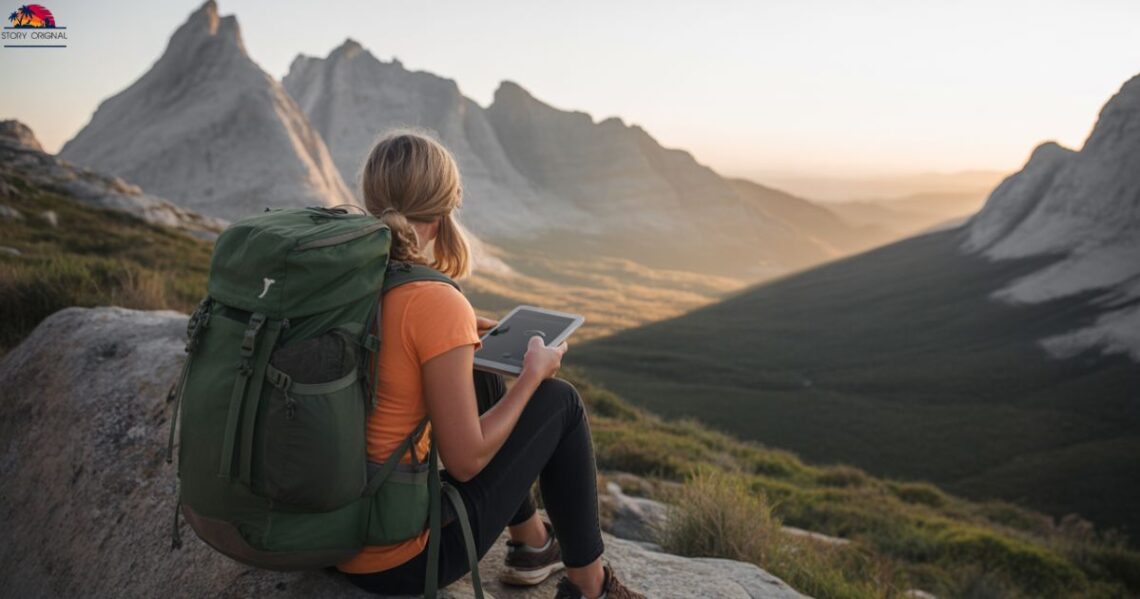
Backpacking is one of the most freeing and life-changing ways to explore the world. It teaches you courage, patience, and skills that make you a smarter traveler. In this complete guide inspired by the spirit of CwBiancaVoyage, you will learn everything about budget backpacking tips, the best beginner backpacker guide, how packing light for travel works, essential backpacker safety tips,
why travel insurance for backpackers is important, and powerful strategies for choosing backpacking destinations that match your comfort and budget. This long and deep article focuses on helping you build the right backpacker mindset, improve your lightweight packing strategies, create better financial planning for travelers, and understand sustainable backpacking practices that protect the planet.
Understanding the Backpacker Mindset
Backpacking is not just a trip. It is a mindset built on freedom, curiosity, and flexibility in travel. When you start seeing the world differently, you learn to trust yourself, adapt to situations, and enjoy slow journeys instead of rushing. This mindset helps with long-term travel planning, preparing for adapting to unexpected situations, and dealing with the emotional challenges that require mental strength during travel.
Backpacking also teaches you the importance of simplicity. You learn that comfort comes from carrying only what you need and embracing minimalism. This becomes the root of long-distance backpacking, where your choices shape your experience. When you understand your limits and strengths, you choose destinations wisely, manage money better, and enjoy deeper cultural travel experiences everywhere you go.
Planning Your Backpacking Trip
A successful backpacking trip begins with smart preparation. You need to understand route planning, visa rules, safety conditions, seasons, and transportation costs. This is where strong travel budgeting techniques and good financial planning for travelers help you avoid stress. Many beginners start with a fixed plan, but experienced travelers follow a flexible schedule that allows spontaneous choices, cheap hostels, and new friendships.
It is always wise to study public transportation options, research affordable travel destinations, and check weather patterns before deciding where to go. Good planning helps you prepare for emergencies, especially when carrying travel documents copies, knowing important phone numbers, and having offline navigation apps for directions.
Choosing Backpacking Destinations
Picking the right location affects your budget, comfort, and experience. Beginners often choose Southeast Asia, South America, or Eastern Europe because these places offer backpacking on a budget, friendly locals, and reliable transport. You can compare destinations based on cost, weather, visa rules, and activities.
The table below helps identify good choices:
| Region | Features | Budget Level | Best For |
| Southeast Asia | Beaches, hostels, street food | Low | New backpackers |
| Eastern Europe | Culture, history, trains | Medium | Budget culture trips |
| South America | Mountains, adventure | Medium–Low | Hiking trails and adventure routes |
| Central America | Islands, jungles | Medium | Solo travel |
| Western Europe | Architecture, trains | High | Short trips |
Understanding your goals helps you match places to your personality. If you want adventure, choose mountain regions. If you want culture, choose historical towns. If you want peace, choose islands or small villages.
Packing Light for Travel
One of the most important skills is carrying only what matters. Smart travelers use lightweight packing strategies that reduce stress and keep the body comfortable. Every beginner needs a personalized backpacker essentials list, which includes clothing, toiletries, technology, and emergency items.
A major part of packing smart is choosing eco-friendly items. Many travelers carry reusable water bottles, organic soap, and solid shampoo bars to support environmental responsibility. These simple choices help reduce waste and make your backpack lighter. Packing light also means planning clothes based on layers and weather instead of packing too many outfits.
Accommodation Smartness: Hostels and Budget Stays
Backpackers usually stay in hostels and guesthouses to meet people and save money. Hostels also teach important social skills like sharing, respecting space, and understanding cultures. Many hostels offer lockers, kitchens, Wi-Fi, and safety systems that support backpacker safety tips without extra cost.
Experienced travelers often recommend reading reviews, checking locations on maps, and comparing prices before booking. Hostels also give amazing cultural travel experiences by arranging walking tours, family dinners, and local meetups, making it easier for connecting with locals in a safe environment.
Food, Transport & Daily Travel Habits
Eating smartly on the road is important. Most backpackers enjoy street food and local markets because they are cheap, fresh, and help you learn about local culture. Choosing public buses, shared taxis, trains, and ferries helps reduce expenses and supports sustainable backpacking practices.
Daily habits like waking up early, planning routes, using offline maps, and drinking enough water help you stay healthy. Many travelers also rely on digital travel tools that help track expenses, find hostels, translate languages, and locate hidden attractions.
Safety Tips & Travel Insurance
Safety is essential for every traveler. Following health and safety precautions like avoiding deserted streets at night, keeping valuables hidden, and sharing your location with family helps reduce risk. Solo travelers especially need strong solo backpacking tips to stay aware, confident, and smart.
Getting travel insurance for backpackers gives protection from medical emergencies, lost baggage, and cancellations. It is one of the most important investments because unpredictable events can happen anytime during long-distance backpacking trips. Insurance also supports peace of mind and reduces financial pressure during emergencies.
Sustainable & Responsible Backpacking
Today’s travel world needs more responsibility. Using eco-friendly products, avoiding plastic, supporting local businesses, and respecting culture helps protect nature and people. Responsible travelers also show cultural sensitivity by dressing modestly, learning greetings, and respecting traditions.
Practicing environmental responsibility while choosing low-impact transportation, eco-lodges, and local tours creates a positive impact. Sustainable travel is not just about saving the planet—it is about giving back to the communities that welcome you.
Case Study: A Beginner’s Transformation Into a Confident Backpacker
A 22-year-old beginner named Lara started her journey with no experience. She followed beginner backpacker guide steps, created a small budget plan, and practiced packing light for travel. Her first trip was to Vietnam, where she learned using public transportation options, staying in hostels and guesthouses, and eating at street food and local markets.
By the end of her three-month journey, she gained strong mental strength during travel, improved her lightweight packing strategies, and became confident in adapting to unexpected situations like delayed buses and lost items. Lara’s story shows how backpacking can transform nervous beginners into brave global explorers.
Conclusion
Backpacking is a journey filled with adventure, growth, and learning. It teaches you freedom, independence, courage, and smart decision-making. Whether you focus on budget backpacking tips, prepare your backpacker essentials list, or follow eco-friendly choices inspired by sustainable backpacking practices, you will always evolve into a better traveler. The world becomes your classroom, and every destination becomes a new story. With the right backpacker mindset, careful planning, and deep cultural respect, your journey will be unforgettable.