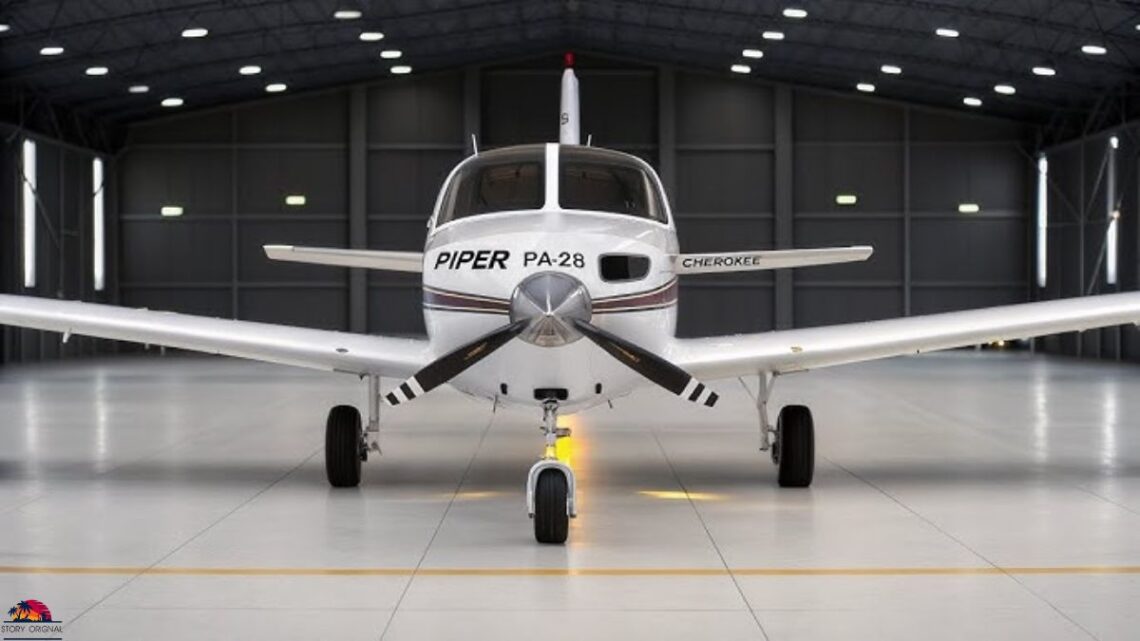
The Piper Arrow Aircraft is a renowned series of single-engine, four-seat aircraft celebrated for its reliability, performance, and versatility. Originally developed by Piper Aircraft, the Arrow line has become a popular choice among private pilots, flight schools, and aviation enthusiasts worldwide. Known for its retractable landing gear, smooth handling, and advanced avionics, the Piper Arrow delivers a perfect balance of speed, efficiency, and comfort for cross-country flying.
Pilots appreciate its responsive controls, stable flight characteristics, and ability to handle various weather conditions, making it suitable for both training and personal use. Over the years, the Arrow has seen multiple variants, each incorporating technological upgrades, improved aerodynamics, and enhanced safety features. Whether for pilot training, recreational flying, or practical travel, the Piper Arrow Aircraft continues to stand out as a trusted and versatile aircraft in the general aviation world.
What Is the Piper Arrow? Complete Aircraft Overview
The Piper Arrow is a single-engine, four-seat airplane with retractable landing gear and a constant-speed propeller, placing it in the “complex aircraft” category. It was developed as a natural upgrade from the fixed-gear Piper Cherokee line, making it familiar and forgiving for pilots transitioning to more advanced aircraft.
What makes the Arrow special is its balance. It is not the fastest airplane in its class, but it offers predictable handling, good useful load, and solid IFR capability. Many flight schools have used the Arrow for complex aircraft training, and thousands of private owners rely on it for personal travel. In simple words, the Arrow is not flashy, but it is honest, stable, and practical.
Piper Arrow Model History: From PA-28R-180 to Modern Arrow
The Piper Arrow history begins in 1967 with the PA-28R-180. Piper took the successful Cherokee airframe and added retractable gear, a more powerful engine, and a constant-speed propeller. This allowed Piper to compete directly with Mooney in the light retractable market.
Over the years, Piper refined the design through multiple generations. The Arrow evolved in engine power, wing design, fuel capacity, and cabin comfort. Production paused during Piper’s financial struggles in the early 1990s, but the Arrow returned under “New Piper” and remains in limited production today. This long production run is a strong sign of the design’s success and reliability.
Piper Arrow Variants Explained: Arrow I, Arrow II, Arrow III, Arrow IV & Turbo Models
There are several Piper Arrow variants, and each has its own personality. The Arrow I (PA-28R-180) used a 180-horsepower engine and is known for gentle handling but modest performance. The Arrow II (PA-28R-200) added more power, a slightly longer fuselage, and better rear-seat comfort.
The Arrow III introduced the semi-tapered wing, improving glide performance and increasing fuel capacity, which greatly improved Piper Arrow range. The Arrow IV featured the controversial T-tail design, which changed low-speed handling and required more attention during takeoff and landing. Turbo versions, including the Turbo Arrow III and Turbo Arrow IV, added high-altitude performance but also more complexity and maintenance considerations.
Piper Arrow Design Features That Matter to Pilots
One of the most discussed design elements is the Piper Arrow landing gear. The airplane uses an automatic gear extension system, designed to lower the gear automatically if airspeed and power drop too low. This system was meant to prevent gear-up landings, but it also introduced new risks if pilots do not understand it fully.
Wing design also plays a major role. Early models used the rectangular Hershey Bar wing, known for predictable stall behavior. Later models adopted a semi-tapered wing, improving efficiency and fuel capacity. The Arrow’s design philosophy always favored stability and training-friendly characteristics over raw speed.
Piper Arrow Performance Review (Speed, Range, Fuel Burn)

When discussing Piper Arrow performance, expectations must be realistic. The Arrow is not a speed champion, but it delivers consistent and economical performance. Typical cruise speeds range from 130 to 143 knots for normally aspirated models. Turbo models can reach higher speeds at altitude.
Fuel burn is reasonable for a complex aircraft. Most owners report Piper Arrow fuel burn between 9 and 12 gallons per hour, depending on power settings. With larger tanks in later models, Piper Arrow range can exceed 600 nautical miles, making it suitable for serious cross-country flying.
How Fast Is a Piper Arrow? Real-World Cruise & Climb Data
Many pilots ask, how fast is a Piper Arrow airplane in real-world conditions? In practice, cruise speed depends on altitude, loading, and power settings. A typical Arrow II or III cruises around 135 knots while burning about 10 gallons per hour. Turbo models can cruise faster in the teens but require careful engine management.
Climb rate is average, usually between 700 and 900 feet per minute at sea level. The service ceiling for normally aspirated models is around 15,000 feet, while turbo models can climb much higher, making them useful for weather avoidance and high-terrain routes.
Piper Arrow Cabin, Comfort & Ergonomics Review
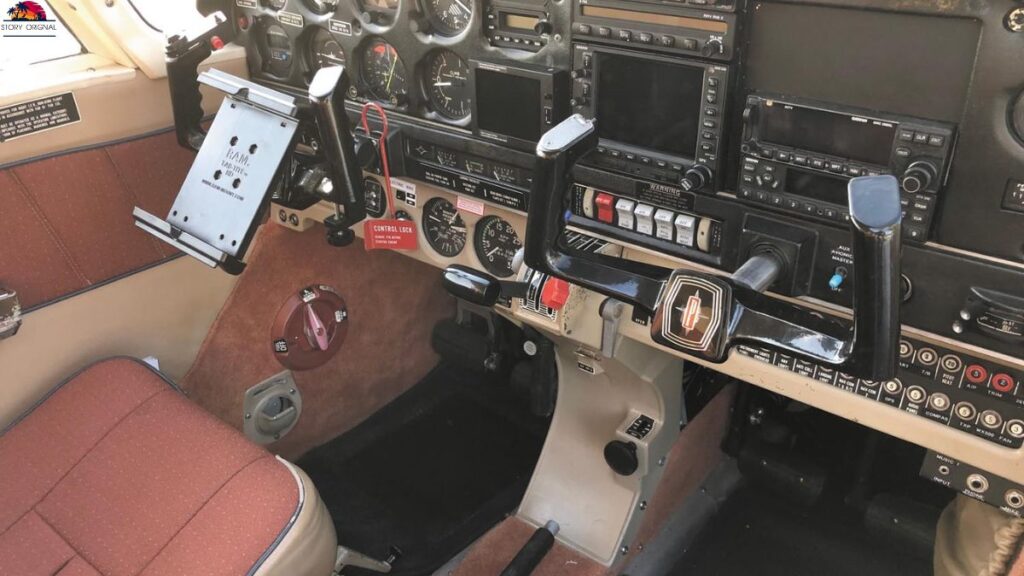
The Piper Arrow cabin size is comfortable for two adults in front and two average-sized passengers in the back. The cabin is wider than a Mooney, which many pilots appreciate on longer flights. Seating comfort improved in later models with crashworthy seat designs.
Visibility is good, and modernized aircraft often feature Garmin avionics, glass displays, and integrated ADS-B transponder systems. With upgrades like an S-TEC autopilot, the Arrow becomes an excellent traveling platform, especially for IFR flying.
Piper Arrow Handling Characteristics & Flight Experience
The Piper Arrow handling is one of its strongest points. The airplane feels stable and predictable, with gentle stall behavior. Landings are straightforward when flown by the numbers, although floating can occur if approach speed is too high.
The T-tail handling characteristics of the Arrow IV require more attention at low speeds because the stabilator sits out of propwash. Pilots transitioning to a T-tail Arrow should receive proper training to avoid over-rotation during takeoff.
Piper Arrow vs Mooney 201 vs Cessna Cardinal RG
The comparison of Piper Arrow vs Mooney 201 often comes down to speed versus comfort. The Mooney is faster and more efficient, but the Arrow offers a roomier cabin and easier handling. When comparing Piper Arrow vs Cessna Cardinal RG, the Arrow usually wins in availability and support, while the Cardinal offers better visibility and handling for some pilots.
Each airplane serves a different mission, but the Arrow remains the most balanced choice for pilots prioritizing training, comfort, and reliability.
Piper Arrow Maintenance, Reliability & Common Problems
Piper Arrow maintenance costs are higher than fixed-gear aircraft but manageable. The Lycoming IO-360 engine used in most models has an excellent reputation for durability. Turbo models with the Continental TSIO-360 require more careful operation and maintenance.
Common Piper Arrow reliability issues include landing gear rigging, aging avionics, and corrosion in older airframes. Overall, the Arrow’s safety record is solid, with relatively few accidents related to design flaws.
Piper Arrow Landing Gear Issues Explained (Auto Extension System)
The Piper Arrow automatic landing gear system is both famous and controversial. While it can prevent some gear-up landings, it has also caused unexpected gear extensions, especially during high-power, low-airspeed maneuvers.
Many owners choose to deactivate the system, while others keep it active with proper training. Understanding this system is critical for safe operation and should be a major focus during transition training.
Piper Arrow Turbo Models: Performance, Risks & Upgrades
The Piper Arrow turbo models offer impressive altitude performance, but they demand respect. Overboosting, high temperatures, and improper power management can lead to expensive repairs.
Popular upgrades such as intercoolers and automatic wastegate controllers improve reliability and efficiency. When properly managed, turbo Arrows are capable cross-country machines with strong performance at altitude.
Piper Arrow Wing Spar AD Explained (What Buyers Must Know)
The Piper Arrow wing spar AD explained revolves around Airworthiness Directive (AD 2020-26-16). This FAA-mandated inspection addresses potential wing spar fatigue in high-time aircraft, especially those used for training.
Compliance with this AD is critical. Buyers should carefully review inspection records and understand how FAA AD compliance affects aircraft value and future maintenance costs.
Piper Arrow Ownership Costs (Insurance, Annuals & Fuel)
Piper Arrow ownership cost varies by model, usage, and condition. Insurance premiums typically range from moderate to high, depending on pilot experience. Annual inspection cost often averages $2,500 to $4,000, excluding unexpected repairs.
Operating costs per hour usually fall between $150 and $300 when factoring fuel, maintenance reserves, insurance, and hangar costs. Despite rising expenses, the Arrow holds value well in the used market.
Is the Piper Arrow a Good First Complex Aircraft?
Many pilots ask, is Piper Arrow a good airplane for stepping into complex aircraft? The answer is yes. Its forgiving handling, familiar Cherokee systems, and strong training history make it one of the best choices for a first complex aircraft.
It is especially well-suited for pilots transitioning from a Cherokee or Warrior, providing a smooth learning curve.
Buying a Used Piper Arrow: What to Inspect Before Purchase
Anyone searching for a used Piper Arrow for sale should conduct a thorough pre-buy inspection. Key areas include engine time, landing gear condition, corrosion, and compliance with wing spar inspections.
A detailed buying a used Piper Arrow checklist and a knowledgeable mechanic can save tens of thousands of dollars and prevent unpleasant surprises.
Piper Arrow Specifications (All Models Comparison Table)
| Model | Engine | Cruise Speed | Fuel Burn | Range |
| Arrow I | 180 HP | ~130 kt | 9–10 GPH | ~550 NM |
| Arrow II | 200 HP | ~135 kt | 10–11 GPH | ~600 NM |
| Arrow III | 200 HP | ~140 kt | 11–12 GPH | ~700 NM |
| Turbo Arrow | 200 HP Turbo | 160–170 kt | 13–14 GPH | ~750 NM |
Piper Arrow Owner Reviews & Real-World Experiences
Owners consistently praise the Arrow for its reliability and comfort. One long-time owner noted, “It’s not the fastest airplane, but it always gets me there safely and comfortably.” Such Piper Arrow owner reviews highlight why the aircraft remains popular decades after its introduction.
FAQs
How fast is a Piper Arrow?
Most cruise between 130 and 143 knots.
How much does a Piper Arrow cost?
Prices range widely, from affordable older models to expensive late-production aircraft.
Is it hard to fly?
No, it is considered one of the easiest retractable-gear airplanes to fly.
How much fuel does it burn?
Expect 9 to 12 gallons per hour for normally aspirated models.
Conclusion
The Piper Arrow Aircraft Review 2026 clearly shows why this airplane remains a favorite. It offers a rare combination of training friendliness, real-world utility, and long-term reliability. Whether you are a new pilot stepping into complex aircraft or an experienced owner seeking a dependable IFR platform, the Piper Arrow continues to prove that simple, well-designed airplanes never go out of style.