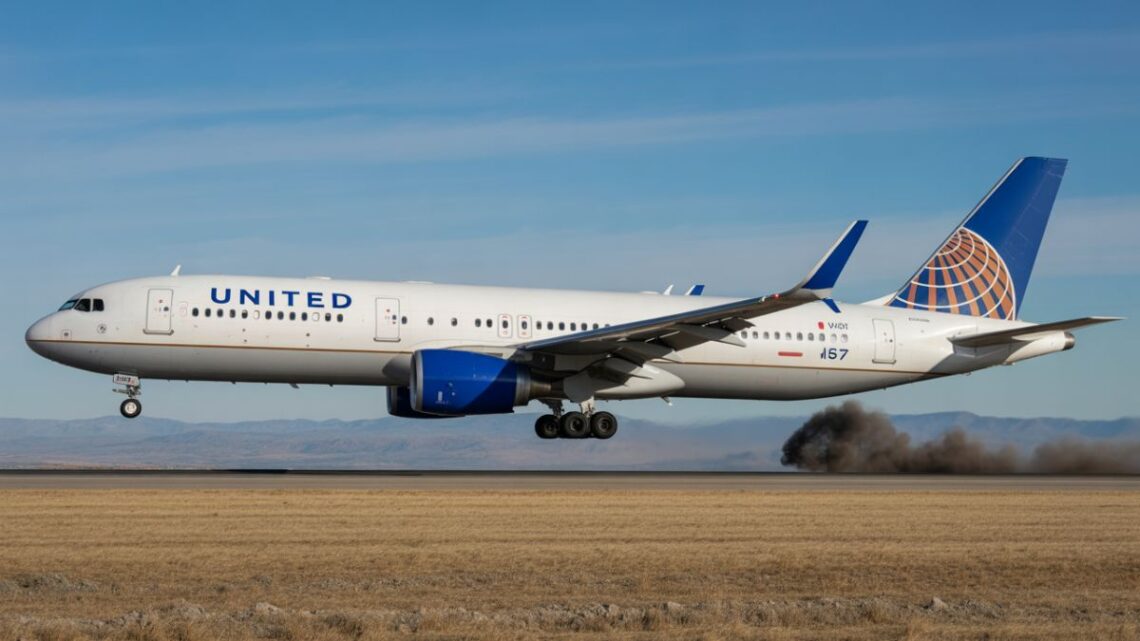
When travelers saw headlines about United Flight UA967 diverted, many people felt worried. A sudden United flight diverted to Canada can sound alarming, especially when the flight is crossing the Atlantic Ocean. But in reality, flight diversions are a normal part of aviation safety, and most of the time, they are made to protect passengers — not because of immediate danger.
This article explains what happened to United Flight UA967, why the Naples to Newark United flight was rerouted, how airlines make diversion decisions, and what passengers experience during such situations. Everything is explained clearly, calmly, and in simple language.
Why United Flight UA967 Was Diverted Mid-Air to St. John’s, Canada
United Airlines UA967 was flying from Naples International Airport (NAP) in Italy to Newark Liberty International Airport (EWR) in the United States. While the aircraft was over the Atlantic Ocean, onboard systems detected a mechanical irregularity.
This does not mean the aircraft was failing or unsafe at that moment. It simply means a system was showing readings outside normal limits. In long transatlantic flight diversion cases, airlines prefer not to continue for hours over open ocean when a closer, safe airport is available.
Because of this, the flight crew made a United Airlines safety decision to divert to St. John’s International Airport (CYYT) in Newfoundland, Canada. This airport is widely used for transatlantic diversions and is fully equipped to handle large aircraft safely.
What Is a Mechanical Irregularity in Aviation? Explained Simply
A mechanical irregularity is not always a breakdown. Modern aircraft such as the Boeing 767-300ER are filled with sensors that constantly monitor engines, fuel systems, electrical systems, and cabin pressure.
When a sensor detects something unusual, pilots receive a warning. Aviation rules require these warnings to be taken seriously, even if the issue is minor. A flight diverted due to mechanical issue is often a preventive step, not an emergency response.
This early action is why commercial aviation remains one of the safest ways to travel.
Most Common Mechanical Issues That Force Airlines to Divert Flights
Across the aviation industry, several issues commonly cause a United Airlines diverted flight. These include engine performance alerts, fuel system inconsistencies, hydraulic pressure warnings, electrical system faults, or cabin pressurization concerns.
On long routes like a United Airlines transatlantic diversion, airlines avoid unnecessary risk. Even a small warning can lead to a diversion because landing earlier allows engineers to inspect the aircraft safely on the ground.
How Pilots and Airlines Decide to Divert a Flight
Pilots do not make diversion decisions alone. They work closely with the airline’s flight operations control center, maintenance teams, and Air Traffic Control (ATC).
Together, they review aircraft data, weather conditions, fuel levels, and available airports. In the case of United flight diverted mid-flight, St. John’s was chosen because it was the safest and closest suitable option.
This careful coordination shows how United Airlines emergency protocols prioritize safety over schedules or costs.
Step-by-Step Flight Diversion Process From Detection to Landing
Once a warning appears, pilots confirm the issue and communicate with ground teams using systems such as the ACARS communication system. If diversion is recommended, ATC clears a new route and prepares the alternate airport.
Passengers are informed as soon as possible. The aircraft then lands normally, without panic or emergency procedures. The UA967 emergency landing was controlled and routine, which is exactly how diversions are designed to work.
Why St. John’s International Airport (CYYT) Is a Key Diversion Hub
St. John’s International Airport (CYYT) is one of the most important diversion airports in the North Atlantic. Its location makes it ideal for flights crossing between Europe and North America.
The airport has long runways, experienced emergency teams, and maintenance support. That is why many United flight rerouted to Canada cases end up in St. John’s.
How Aircraft Technology Detects Problems Before They Become Dangerous
Modern aircraft continuously send performance data to onboard computers and airline ground systems. Sensors track temperatures, pressures, vibrations, and system behavior in real time.
This technology allows airlines to detect issues early and explains why many United Airlines flight diverted news stories end without serious incidents.
Role of AI, Sensors, and Predictive Maintenance in Modern Aviation Safety
Airlines now use predictive maintenance technology, powered by artificial intelligence, to analyze aircraft data over time. These systems can predict potential problems before they cause failures.
This is why a United Airlines mechanical warning can be addressed early, reducing risk and improving passenger safety across the fleet.
What Happens After a Flight Is Diverted? Aircraft Inspection Explained
After landing, the aircraft undergoes a full aircraft inspection and maintenance process. Engineers review system logs, inspect components, and confirm whether repairs are needed.
Only after meeting strict safety standards is the aircraft allowed to fly again. This careful process applies to every United Airlines aviation incident, no matter how small.
Passenger Experience After a Diversion — Delays, Rebooking, and Hotels
For passengers, a diversion usually means delays and changes. A United Airlines flight disruption can affect connections and travel plans.
Airlines typically assist with airline rebooking after diversion and may provide hotel stays or meal vouchers depending on the situation. Clear communication is a key part of United Airlines passenger care, though delays can still be frustrating.
Are Passengers at Risk During a Flight Diversion? Safety Facts
Many travelers ask, is flight diversion dangerous? The answer is no. Diversions are designed to reduce risk, not respond to emergencies.
A United flight emergency landing explained often sounds dramatic in headlines, but in reality, it shows that safety systems and trained crews are doing their job correctly.
Does Aircraft Age Increase the Chances of Flight Diversions?
Aircraft age alone does not determine safety. What matters is maintenance quality and monitoring. Older aircraft like the Boeing 767-300ER continue to operate safely under strict inspection programs.
The United Airlines UA967 diversion reflects responsible maintenance practices, not aircraft failure.
Financial and Operational Impact of Flight Diversions on Airlines
Diversions are expensive for airlines. Costs include fuel, crew scheduling, maintenance, and managing United Airlines passenger delay situations.
Despite these costs, airlines always choose safety first. A flight diverted due to safety concern protects lives and preserves trust.
Passenger Rights, Compensation, and Travel Insurance After Diversions
Rules for diverted flight compensation depend on the cause and local regulations. Mechanical issues may qualify passengers for assistance, while weather-related diversions often do not.
Travel insurance can help cover extra costs. Understanding airline delay and diversion policy helps travelers know what to expect.
How Travelers Can Prepare for Unexpected Flight Diversions
Travelers can reduce stress by keeping essentials in carry-on luggage, using airline apps for updates, and staying calm. Knowing what happens when a flight is diverted makes the experience easier to manage.
Why Flight Diversions Like UA967 Prove Aviation Safety Comes First
The story of United Flight UA967 diverted today is not a failure — it is proof that aviation safety systems work.
From early detection to professional decision-making and passenger care, this case shows why United Airlines passenger safety remains the top priority in modern air travel.
A diversion is not a danger sign — it is a safety success.
Conclusion
The story of United Flight UA967 diverted demonstrates how airlines prioritize passenger safety over schedules or costs. Diversions, though inconvenient, ensure that mechanical issues or other potential hazards are handled efficiently. Modern aircraft, advanced technology, and trained crews work together to maintain trust and safety in air travel. UA967 is an excellent example of how preventive actions save lives and maintain aviation standards.
FAQs
Why was United Flight UA967 diverted?
It was diverted due to a mechanical warning mid-flight. The nearest safe airport, St. John’s International Airport, was chosen to ensure passenger safety.
Was the flight in danger?
No. Diversions are preventive. The aircraft was never at risk.
What do passengers experience during a diversion?
Passengers may face delays, rebooking, or hotel accommodations. United Airlines passenger care ensures their comfort and updates throughout.
Does aircraft age affect diversions?
Not directly. Safety depends on maintenance, inspections, and monitoring, not the aircraft’s age.
Do passengers get compensation?
Compensation varies depending on cause, regulations, and travel insurance coverage. Airlines provide support where applicable.
Read more: https://storyorignal.com/flight-discounts-for-nurses-2025/