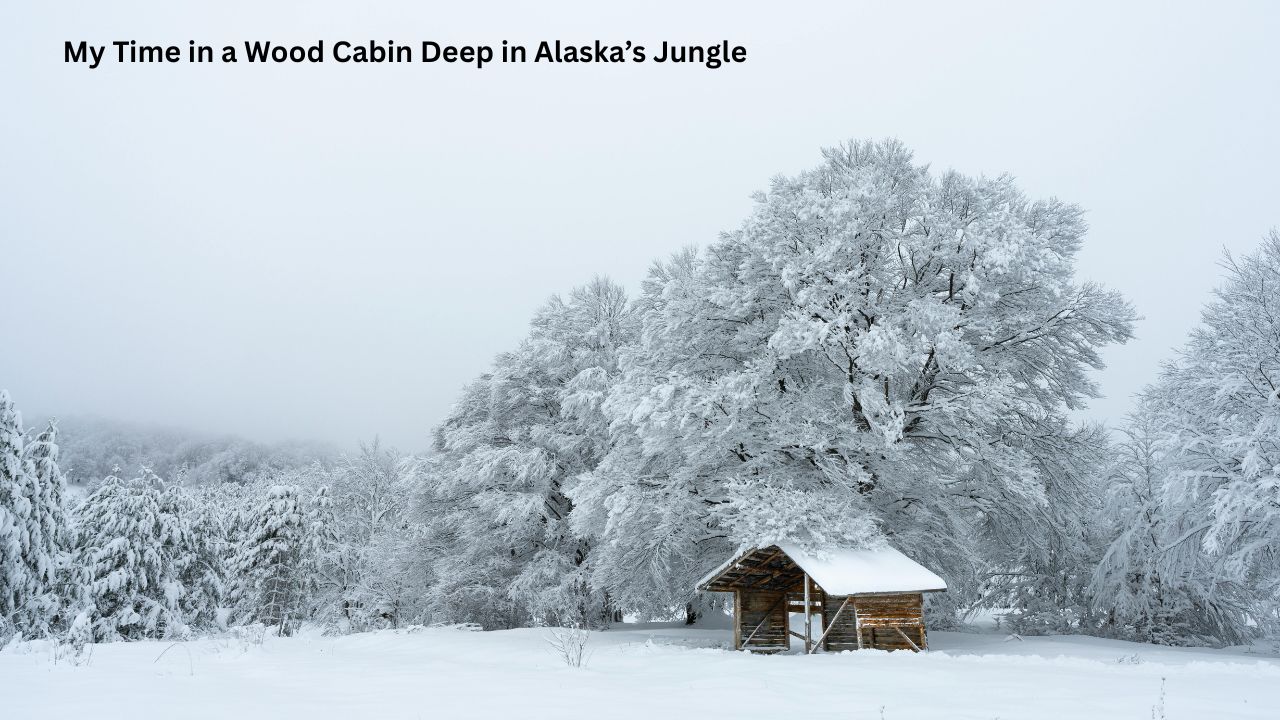
The image that wakes up from the image of Mos-water branches to the sound of rain that drips from mossrenes, the mild stream of a mountain current just outside the thick evergreen trees and window of the cabin. It was my reality for several days, and lived in a rustic wooden cabin deep in the temperate rainfall in Alaska. No city lights, no traffic, no plan – raw beauty in nature. In this article I share how it felt, what I learned, and why such an experience remains unforgettable.
The Allure of Alaska’s Wilderness Cabin Life
Alaska has a kind of mythological bridge: wild landscape, spacious unspecified areas, snowgung mountains, glaciers, forests that can move outside the eye. The cabin is in the heart of this forest – something between shelter and survival art. Wooden cabins, especially outside the net, provide a bridge between rest and challenge. They invite you to slow down, reconnect you and inspect you.
Vlog shows how to live in the “forest” in Alaska – in the dense forest – not just about being alone in nature, but about it: squeezing moisture, respecting wildlife, working with simple tools, working with simple tools, cutting wood and what nature provides (and sometimes refusing). The cabin life is about being humble.
Arrival and First Impressions
Leaving the busy roads and crowded airports, traveling in the cabin felt like peeling the teams in civilization. Long stations on robust roads, maybe a boat trip, perhaps a floating plan delivery (also common in the remote Alaska hut). Every mile takes you beyond modern access.Into the cabin: Simple construction, heavy wooden walls, minimal insulation, but heat from a wooden stove, windows that hit trees and sky, maybe a rain -covered tire. Everything seems to be disabled: the smell of fresh wood, slightly moist, fleshy, clean. The silence is broken
Only with air, dripping water and bird calls. First night: You listen to things you’ve never noticed in the city – wood extension, coots, owls, low grief of air.
Daily Rhythm: Tasks, Nature, and Solitude
Morning
Sunrise through long trees, logs wood for fire, stops the oven, prepares breakfast – maybe something simple: porridge, tea, maybe cooked on wood burning or in the Dutch oven. Filter sunlight through the canopy. Environmental control: Wildlife tracks, bird activity, waterfall or currents.
Afternoon
Getting out: Collecting water (at a stream or collection of rain), cutting wood, maintaining the cabin (repairing the leaks, cleaning the gutter, maybe patching the ceiling or dense windows). Collecting wood in a wet climate is a big task. Hiking around to locate local areas: Moss logs, marshes or marshes, moss rocks, juicy flora, insects. It may be that if a river or lake is nearby, fishing.
Evening
Burns the oven, boils on a flame or charcoal. The darkness comes quickly. The sky is dark, if the clouds are clean, so are magnificent stars. The fire light performs more than warming the body – it warms the mind. Reflection: Ironling, Moment recording, sitting quietly, listening. It can rain on the roof. Solitude makes you aware of the time: hours feel longer; Minute stretch.
Challenges and Lessons from the Remote Cabin
Life in such a remote wooden cabin is far from glamor. Vlog gets both difficulties and prices.
Weather and moisture
The forests in Alaska (temperate rainfall) are wet. Precipitation often occurs. Moisture limits in total. Wooden rootes, mold can increase, the supply becomes moist. It is necessary to carry waterproof gears, tight leaks and maintain airflow.
Isolation and resource spread
Being from the outside does not mean any current, limited (or not) cell service. If the supply is forgotten, there is no quick journey in the store. Everything should be planned with food, fuel, and equipment. Emergency is critical. Mental Loneliness: Without distraction you meet your thoughts; It can be peaceful or stiff.
Wildlife meetings
Bear, mousse, wolves, small mammals, insects. Respect is important to nature. To store food properly, maintain distance, learn animal behavior. The forest is alive, always moves forward and reacts.
Even riliansen
You become a person who “fixes it”: fixing the ceiling, cleaning the ice or ice, stoves when the tool disappears, maintaining repair, staggering. Learn to do with less, innovation, patience.
Moments That Make It Worthwhile
- Despite everything, it is magical moments that make cabin life unforgettable in Alaska.
- To wake up to a lake or fog at the top of the forest, the atmosphere is thick, color muted, clean.
- The crack and glow from a wooden fire are soaked and depressed.
- The sky is so clear that you see them milk, perhaps northern lights flashing (if the weather).
- Silence: Not unnatural silence, but soft natural sounds – in leaves, water drip, remove bird songs.
- Time feels slow, it is impossible in a way in the life of the city.
- A feeling of achievements: to start a fire with combustion, cook with minimal equipment, walking water or walking a scene miles into the forest.
Reflections: What Staying in a Wood Cabin Teaches
- Living only in nature teaches a lesson about humility, gratitude and perspective.
- Gratitude for necessary: pure air, water, heat, shelter things were often given.
- Stability and ecological awareness: how everyday alternatives (wood efforts, resource use, waste) directly connect to the environment.
- Flexibility: In discomfort, isolation, and unexpectedly we learn adaptability.
- Mindfulness: When many distractions are taken away, easy experience – light fire, feels cold, rain sounds – even intense.
- Connection to nature: Not a distant observation, but part of the chakras – rain, development, decay, wildlife.
Conclusion
Living in a wooden cabin in the forest in Alaska is not to run to flight – this is a conflict and a conversation: with nature, with yourself. It’s about finding out what you really need, what you don’t, and letting it find beauty in raw simplicity. Whether you are hungry for some adventures, a person looking for loneliness, or is just anxious about life from the web, such an experience when you have long left the forest.
If you ever get a chance – turn off your phone, go into the woods and let the Trehytte learn what the city can never do.