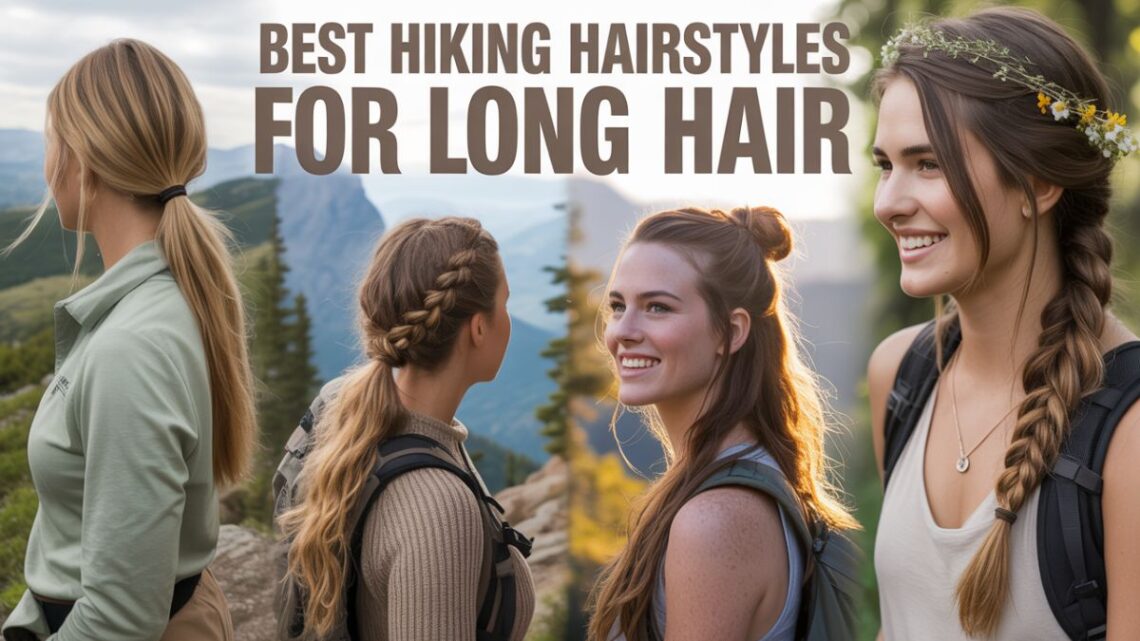
Hiking with long hair can be a challenge if it’s constantly falling into your face or getting tangled. Choosing the right hiking hairstyles not only keeps your hair manageable but also ensures you stay comfortable on the trail. Whether you’re planning a short day hike or a multi-day adventure, having practical yet stylish hair options can make your outdoor experience more enjoyable.
Braids, buns, and ponytails are popular choices because they secure hair tightly while reducing hair damage caused by wind, sweat, and friction. Many hikers also use hair accessories like clips, headbands, and scrunchies to keep strands in place and add a touch of style. Another trend gaining attention is the half-up hairstyle, which balances convenience and aesthetics perfectly for long treks.
Long hair requires special care during outdoor activities, so choosing low-maintenance hairstyles that don’t need constant adjustment is key. By learning how to protect your hair from sun exposure, humidity, and sweat, you can enjoy hiking without worrying about messy locks. With the right techniques, your trail-ready hairstyles can be both functional and fashionable, helping you focus on the adventure while looking great on the trail.
Why Choosing the Right Hiking Hairstyle Matters
A well-planned hiking hairstyle plays a big role in keeping your hair stable, clean, and protected. When walking long trails, your hair constantly brushes against backpacks, straps, outdoor gear, and jackets. This friction leads to knots, split ends, dryness, and flyaways. Choosing no-damage hairstyles for hiking helps prevent these issues and keeps your hair comfortable for hours.
The right outdoor hairstyle keeps hair out of your face, prevents tangles on long trails, reduces frizz in humid weather, and keeps sweat from collecting around the scalp. If you’re hiking in windy conditions, a style like a French braid for windy hikes ensures hair stays tightly locked in place. In hot climates, a messy bun for hot weather hikes or a high ponytail increases airflow and reduces overheating.
Good hairstyles also help when wearing trekking accessories like ponytail-compatible caps, fleece hiking hats, Buff headbands, merino wool beanies, sweat-wicking headbands, moisture-wicking headbands, or trail-running headbands. These accessories stay more comfortable and secure when used with the right hairstyle.
In short, choosing the perfect hairstyle for hiking isn’t just about style—it’s about performance, protection, and practicality.
Best Hiking Hairstyles for Medium to Long Hair
Long hair offers endless styling options but requires extra care outdoors. The best hiking hairstyles for medium to long hair balance comfort, durability, and simplicity. For example, braided hairstyles for outdoor activity keep the hair tight and tangle-free for hours. Side braids for long trails, double braids, fishtail braids, or workout braids all protect the hair from friction and wind.
This section is essential for hikers with long or thick hair who often struggle to keep their hair manageable during outdoor adventures. These trail-friendly hairstyles also work well for curly hair because they minimize frizz and prevent curls from losing definition in humid weather.
For hikers who want easy hairstyles for outdoor adventures, low ponytails, twisted ponytails, secured buns, or hybrid styles (ponytail + braid) offer comfort and flexibility.
Below is a quick table comparing popular long-hair hiking styles:
| Hairstyle | Best For | Benefits |
| Low Ponytail | Backpack hiking | Prevents hair pulling, reduces friction |
| High Ponytail | Hot weather, fast hikes | Better airflow, keeps hair off neck |
| French Braid | Windy conditions | Maximum stability, reduces flyaways |
| Fishtail Braid | Long, thick hair | Tangle-free, stylish, secure |
| Messy Bun | Summer hikes | Sweat-proof, keeps hair lifted |
| Double Braids | Mountain hikes | Extra secure and balanced |
Classic Hiking Ponytail Styles (Low, High, and Secure)
The ponytail is one of the most iconic and best hairstyles for hiking because it is fast, simple, and works for almost every weather condition. Understanding the differences between high ponytail vs low ponytail helps hikers decide which is better for their needs.
A classic ponytail keeps hair neat and off the face. A low ponytail is ideal for long trails because it prevents pulling where the backpack’s shoulder straps sit. Hikers wearing caps or hats also prefer low ponytails since they don’t interfere with the headgear.
A high ponytail lifts the hair off the neck and is perfect for hot weather hikes or fast-paced treks. Combining the ponytail with spiral hair ties or anti-slip elastic hair ties keeps the hairstyle secure without causing tension or breakage.
For extra stability, many hikers braid the ponytail. This hybrid style is sweatproof, great for windy trails, and helps prevent flyaways.
Braids for Hiking: Side Braid, French Braid, and Fishtail
Braids are widely recommended for hikers because they offer long-lasting hold and protect hair from sun, wind, and friction. A side braid for long trails is perfect when you want hair away from your backpack. A French braid is famous for its ability to secure hair from the scalp downward, making it excellent for windy mountain hikes.
A fishtail braid is stylish, tight, and resistant to frizz, making it perfect for humid weather hair solutions. Many hikers also prefer double braids for intense hikes, as they distribute tension evenly and work well with beanies and hats.
Braids are also the best solution for hikers asking, how to keep hair from tangling while hiking, how to keep hair clean on long hikes, or how to stop frizz on hikes. They lock hair together in a protective structure that stays stable during movement.
Messy Bun & Quick Updos for Weather or Hot Lazy Hikes
Sometimes you need a hairstyle that is quick, breathable, and easy to redo without a mirror. A messy bun or trail updo is perfect for extremely hot weather or short hikes where airflow matters. These styles reduce sweat buildup, keep hair off the neck, and provide cooling during steep climbs.
Quick updos also work well with scrunchies, bobby pins, spiral hair ties, and even fleece ponytail hats during winter hikes. Many hikers love buns because they offer no-damage control and keep hair protected from sun exposure.
Messy buns also adapt well to humid weather hair solutions, where loose ponytails often fail.
Headbands for Hiking: Thick, Thin, and Sweat-Wicking Options
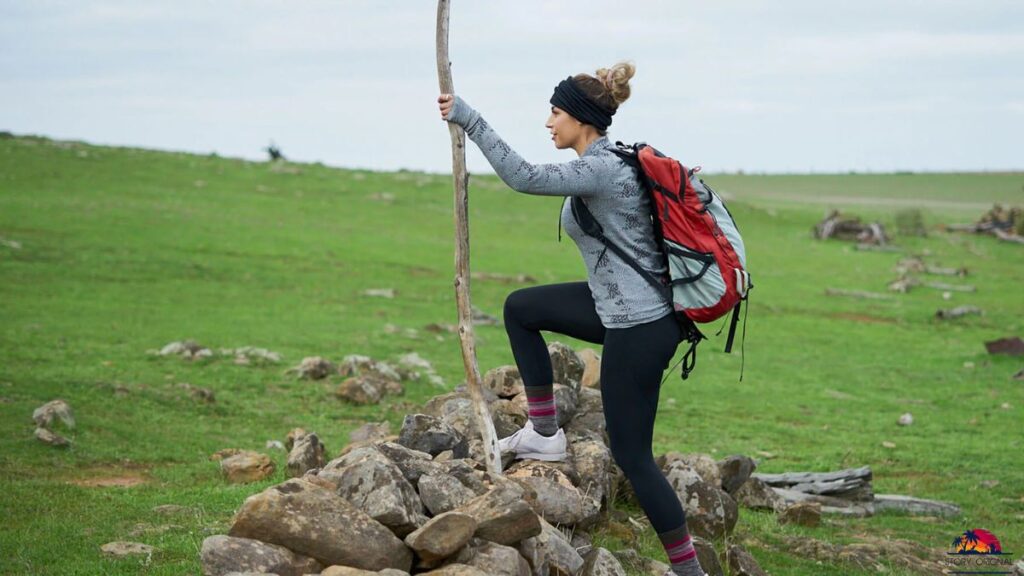
Headbands are one of the best hair accessories for hiking, especially for hikers who want to prevent sweat from dripping into their eyes. Moisture-wicking headbands and sweat absorption headbands keep the face dry during intense climbs.
Thick headbands work well in cold weather or windy conditions, while thin, breathable ones are perfect for hot climates. Buff headbands and wide athletic headbands are popular among trail runners and long-distance hikers.
Headbands are also a solution for hikers wondering how to keep hair out of face while hiking. Combined with ponytails or braids, they prevent even the smallest flyaways from affecting visibility.
Beanies for Cold Weather Hiking Hair Protection
During winter hiking, long hair is easily damaged by cold air, friction, and dry winds. This is why hikers prefer using lightweight beanies, merino wool beanies, knitted beanies, or fleece hiking hats.
Braids are the best hairstyle to wear under a beanie because they stay comfortable and prevent tangles. Whether you’re hiking snowy mountains or frosty trails, beanies protect both your scalp and hair from harsh temperatures.
Hats & Caps: The Most Practical Solution Hairstyle for Hikers
Caps, sun hats, and ponytail-friendly designs are perfect for preventing sun damage and keeping the scalp protected. Cooling caps, ponytail-compatible caps, and wide-brim hiking hats pair beautifully with low ponytails, braids, or fishtail braids.
Hats also help solve sun protection for scalp & hair, especially during summer for hiking If you worry about hat dents, braid your hair before wearing the hat to reduce pressure marks.
Weather-Based Hiking Hairstyles (Heat, Wind, Rain, Snow)
Weather determines the right hairstyle for a hike. For summer hiking hairstyles, high ponytails and messy buns provide cooling. For winter hiking hairstyles, braids with beanies give warmth and stability. Rainy weather hiking hairstyles like twists and tight braids prevent frizz and stay secure even when wet.
Windy trails require hairstyle ideas for windy trails such as French braids or double braids. Humid hikes call for sweatproof hiking hairstyles like fishtail braids and athletic ponytails.
Each climate demands a different protection strategy—long hair needs care based on the elements.
Accessories That Keep Hiking Hairstyles in Place
Hikers use a variety of trekking accessories to keep their hair stable. These include:
- Anti-slip elastic hair ties
- Spiral hair ties
- Scrunchies
- Bobby pins
- UV-protective headbands
- Buff-style tubes
- Cooling caps
- Fleece ponytail hats
These accessories prevent flyaways, secure hair under hats, and ensure your hairstyle survives long hikes without falling apart.
Mistakes to Avoid With Hiking Hairstyles
Many hikers make simple mistakes that lead to hair damage. Tight hairstyles can cause scalp pain. Heavy oils attract dust on trails. Wearing hair fully loose leads to tangles and frizz. Using cotton headbands that trap sweat leads to discomfort.
Avoiding these mistakes ensures hair remains healthy and manageable during and after outdoor adventures.
How to Maintain Your Hair During and After a Hike
Hair care after hiking is essential to restore moisture and remove sweat or dirt. Use a gentle shampoo and a hydrating conditioner. Detangle carefully using fingers or a wide comb. A light leave-in conditioner helps recover from dryness or sun exposure.
If you’re hiking multiple days, braid maintenance is essential to prevent knots from forming.
Final Tips
Choosing a hairstyle depends on the weather, your hiking intensity, your hair type, and the mood of your adventure. Ponytails work for quick hikes, braids work for long windy trails, and buns work for hot weather. Accessories like hair ties, headbands, caps, and beanies help secure everything in place.
The right hairstyle keeps you comfortable, confident, and trail-ready—so choose the outdoor hairstyle that helps you enjoy every step of your journey.