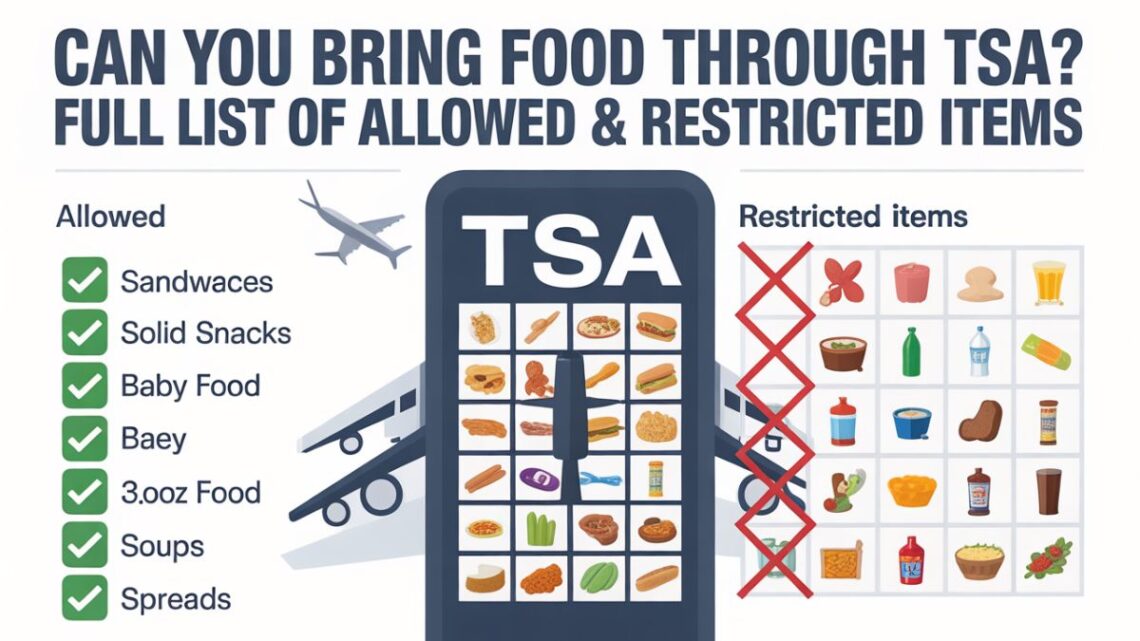
Traveling can be stressful, and one question that often pops up is: Can you bring food through TSA? Whether you’re heading on a short domestic trip or an international adventure, knowing the rules can save you from last-minute hassles at airport security. The Transportation Security Administration (TSA) has specific guidelines about what foods are allowed in both carry-on and checked bags, so it’s important to plan ahead.
Solid foods like sandwiches, fruits, and snacks are generally safe to bring, but liquids and gels, such as soups, sauces, and yogurt, must comply with the 3-1-1 liquids rule. Travelers often wonder about homemade treats, baby food, or dietary supplements – the good news is that most are allowed if properly packaged and declared. Carrying snacks on flights not only keeps hunger at bay but also ensures you have safe, familiar options during your journey.
Remember, each airport and country may have slightly different rules, so checking local airport security guidelines can make your trip smoother. By understanding what’s permitted and preparing your travel snacks wisely, you can breeze through security without stress and enjoy your trip from start to finish.
What Food Can You Bring Through TSA? Complete Rules Explained
Yes, travelers can bring food through TSA, but knowing what counts as a solid versus a liquid or gel is crucial. Solid foods are generally allowed in carry-on or checked bags, while liquid, gel, and spreadable foods must follow the TSA 3-1-1 rule. Items not meeting these requirements may need to go in checked baggage or be left behind.
Solid foods include sandwiches, dry snacks, baked goods, and cooked meals without sauces. On the other hand, foods like yogurt, peanut butter, hummus, soups, and salad dressings are treated as liquids. These liquid or gel-like foods must be in containers of 3.4 ounces or less and fit in a single quart-sized resealable bag. Understanding these rules ensures that your food passes through airport security without delays, especially during busy travel periods.
Additionally, travelers should be aware of international travel restrictions. Even if a food item is allowed by TSA, your destination country may have customs rules that prohibit certain meats, fruits, vegetables, or dairy products. Planning ahead and checking the U.S. Department of State or local customs regulations is essential to avoid confiscation.
TSA-Approved Solid Foods You Can Bring in Your Carry-On
Solid foods are traveler-friendly and rarely cause problems at airport security. Examples of TSA-approved solids include:
- Sandwiches, wraps, and rolls
- Baked goods like muffins, cookies, cakes, and bread
- Dry snacks such as chips, crackers, granola bars, trail mix, and cereal
- Hard or solid cheese
- Fresh or dried fruits (domestic flights only; check customs for international travel)
- Cooked meat, seafood, and vegetable dishes, as long as they are not saucy or liquid-based
- Coffee beans or ground coffee
- Solid chocolate or candy
These foods are convenient for carry-on because they do not trigger the liquid rules, making them hassle-free at TSA checkpoints. To ensure smooth passage, pack them in clear containers or easy-to-access sections of your bag.
Liquid, Gel, and Spreadable Foods: Understanding TSA’s 3-1-1 Rule
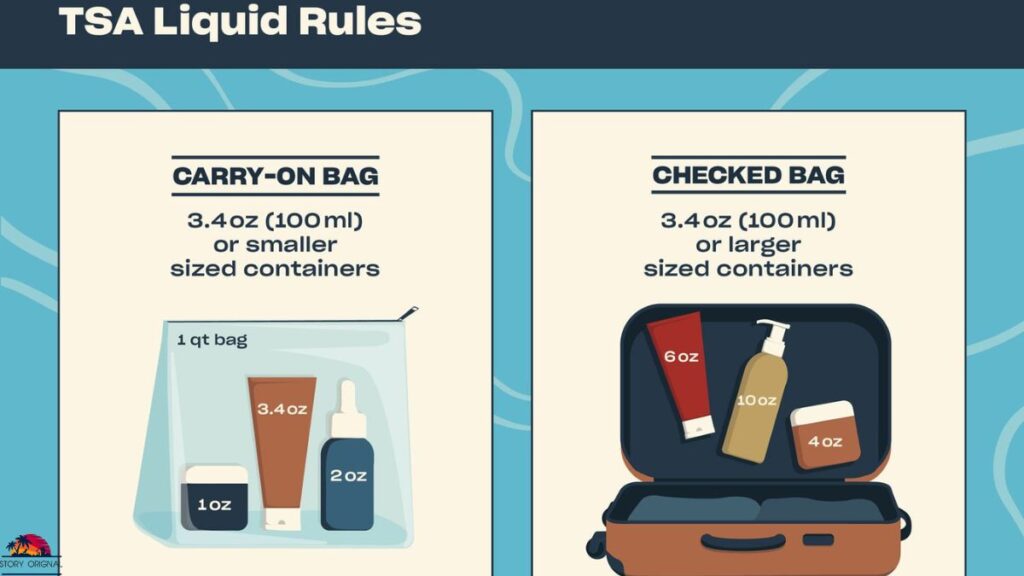
Foods that are liquid, gel, or spreadable fall under TSA’s 3-1-1 liquids policy, which means:
- Each container must be 3.4 ounces (100 ml) or less
- All containers must fit into one quart-sized clear resealable bag
- Only one bag per traveler
Common foods in this category include yogurt, hummus, peanut butter, soups, sauces, gravies, salad dressings, and dips. If your item exceeds the limit, TSA may ask you to discard it or move it to checked baggage.
Even items like creamy cheese, liquid chocolate, or spreads are included in this rule. A useful tip is to pack these items separately in the quart-sized bag for easy inspection, which speeds up your passage through security.
Ice Packs and Frozen Items: TSA Requirements You Must Know
Travelers often carry ice packs or frozen meals to keep food fresh. TSA allows frozen and chilled items, but there are rules:
- Ice packs must be completely frozen solid at the time of screening
- Partially melted or slushy ice packs may be treated as liquid or gel
- Frozen foods such as meat, seafood, vegetables, or prepared meals are allowed if frozen until screening
- If frozen items thaw, they must follow the 3-1-1 liquid rule
Dry ice is also allowed for frozen perishables, up to 5 pounds, if properly packaged and vented. These rules ensure that frozen foods stay safe while still complying with security requirements.
TSA Rules for Baby Food, Breast Milk, and Formula
Parents traveling with infants or toddlers enjoy special exemptions. TSA considers baby food, formula, breast milk, and juice for babies as “medically necessary liquids.” This allows:
- Items over 3.4 ounces to be carried in carry-on bags
- Exemption from the quart-sized liquid bag rule
- Ice packs, frozen gel packs, and liquid-filled teethers to be carried alongside baby food
- Declaration at security for inspection
Extra screening may be required, but these rules ensure parents can travel without compromising the nutrition and safety of their children. Using clear containers or labeling items can speed up the screening process.
International Travel Food Restrictions and Customs Guidelines
Even if TSA allows certain foods, international travel introduces customs and agricultural rules:
- Fruits, vegetables, meats, and dairy are commonly restricted
- Some packaged foods may still require inspection
- Non-perishable, sealed, or processed foods are safer for international flights
It’s important to research your destination country’s rules before flying. TSA compliance does not guarantee customs approval abroad, and violating these rules can result in confiscation or fines.
TSA Food List: What’s Allowed and What’s Restricted (Item-by-Item Guide)
| Food / Item Type | Carry-On Allowed? | Notes / Conditions |
| Sandwiches, wraps, baked goods, cookies, crackers, chips | ✅ | Solid foods, no liquid components |
| Hard / solid cheese | ✅ | Solid cheese allowed |
| Fresh or dried fruit, nuts, candy, snacks | ✅ | Dry snacks okay |
| Cooked meat / seafood / vegetable dishes (no sauce) | ✅ | Must be solid, not liquid/gel |
| Ground coffee / coffee beans | ✅ | Allowed |
| Yogurt, sauces, dips, hummus, dressings, soups, gravies | ✅ if ≤3.4 oz & in quart bag | Liquid/gel foods must follow 3-1-1 rule |
| Ice packs / frozen items | ✅ if frozen solid | Partially melted items need 3-1-1 compliance |
| Baby formula, breast milk, baby food, juice | ✅ / ✅ | Medically necessary liquids, declare at checkpoint |
| Alcoholic beverages (mini bottles) | ✅ subject to airline & TSA/FAA rules | High-proof alcohol restricted |
This table helps travelers quickly check what can go in their carry-on or checked bags, reducing confusion and delays at security.
How to Pack Your Food for Airport Security Screening
Packing smartly can make your TSA experience smooth. Tips include:
- Wrap solid foods securely and place them in clear containers
- Keep liquid/gel/spreadable foods in a single quart-sized bag
- Separate baby food, formula, and breast milk for inspection
- Use fully frozen ice packs for chilled or frozen foods
- Avoid messy, leaky, or strongly scented items
Organizing your bag before you reach security saves time and reduces stress. Clearly labeled or transparent packaging also helps TSA agents quickly identify items, preventing additional screening.
Tips to Get Through TSA Faster When Traveling With Food
Even with food in your carry-on, you can minimize delays by:
- Placing all food in an easily accessible section of your bag
- Using CLEAR+ for expedited airport screening
- Labeling homemade items or using clear containers
- Keeping liquid/gel/spreadable items together in a quart bag
- Declaring breast milk, formula, and baby food upfront
- Considering purchasing food after clearing security for beverages and larger containers
- Checking international customs rules if flying abroad
These steps help you breeze through airport security while keeping your food safe and organized.
Final Summary
Travelers can bring food through TSA, but success depends on what you bring and how you pack it. Key takeaways:
- Solid foods like sandwiches, snacks, baked goods, and cooked meals without sauces are generally allowed
- Liquid, gel, or spreadable foods must follow the 3-1-1 rule (≤3.4 oz per container in a quart-sized bag)
- Baby food, formula, and breast milk have special exemptions but must be declared
- Ice packs and frozen food are allowed, but ice packs must be fully frozen
- Always check international travel restrictions before flying abroad
By following these guidelines, travelers can enjoy snacks, meals, and specialty foods on their journey, stay within TSA rules, and avoid surprises at airport security. Proper planning, organized packing, and knowledge of TSA food rules make air travel stress-free and enjoyable.
Safe travels — and enjoy your food on the plane!
FAQ
1. Can I bring snacks through TSA?
Most solid snacks like chips, granola bars, and cookies are allowed. Liquids or spreads must follow the 3-1-1 rule.
2. Can I bring sandwiches through TSA?
Solid sandwiches are permitted in carry-on or checked bags. Avoid liquid fillings like sauces or soups.
3. Do ice packs count as liquids at TSA?
Ice packs are allowed if completely frozen solid. Partially melted packs must follow the 3-1-1 liquids rule.
4. Can I bring peanut butter through TSA?
Peanut butter must follow the 3-1-1 rule in carry-on bags. Larger jars should go in checked baggage.
5. Can I bring baby food pouches through TSA?
Baby food, formula, and breast milk are allowed in quantities over 3.4 ounces. Always declare them at security.