The Dark Winter season is one of the most striking categories in color analysis. It carries depth, richness, and cool undertones that create a bold yet elegant appearance. Many people struggle to understand whether they fit into the Dark Winter palette and how to use its colors correctly. This complete guide explains everything from characteristics, best colors, makeup, jewelry, hair shades, outfit combinations, and even DIY color draping tests. By the end, you’ll know exactly how to style yourself confidently using the perfect colors for your season.
How to Know If You Are a Dark Winter
Knowing your color season starts with observing undertones, contrast, and how your natural coloring interacts with different shades. Dark Winter individuals usually have a naturally high contrast between their features. Their skin may appear cool or neutral-cool, while their hair and eyes tend to be dark. The overall appearance looks clear, deep, and slightly intense.
If soft, muted colors make your face look tired or washed out, but rich jewel tones instantly brighten your appearance, you might belong to the Dark Winter palette. You’ll notice that cool, deep shades like black, navy, dark teal, and berry make your skin look smooth and your eyes more defined. On the other hand, warm oranges or dusty pastels will highlight shadows and make you look drained.
The simplest way to check is to test silver vs. gold — if silver flatters you more and makes your skin tone look healthier, that’s another strong sign you’re a Dark Winter.
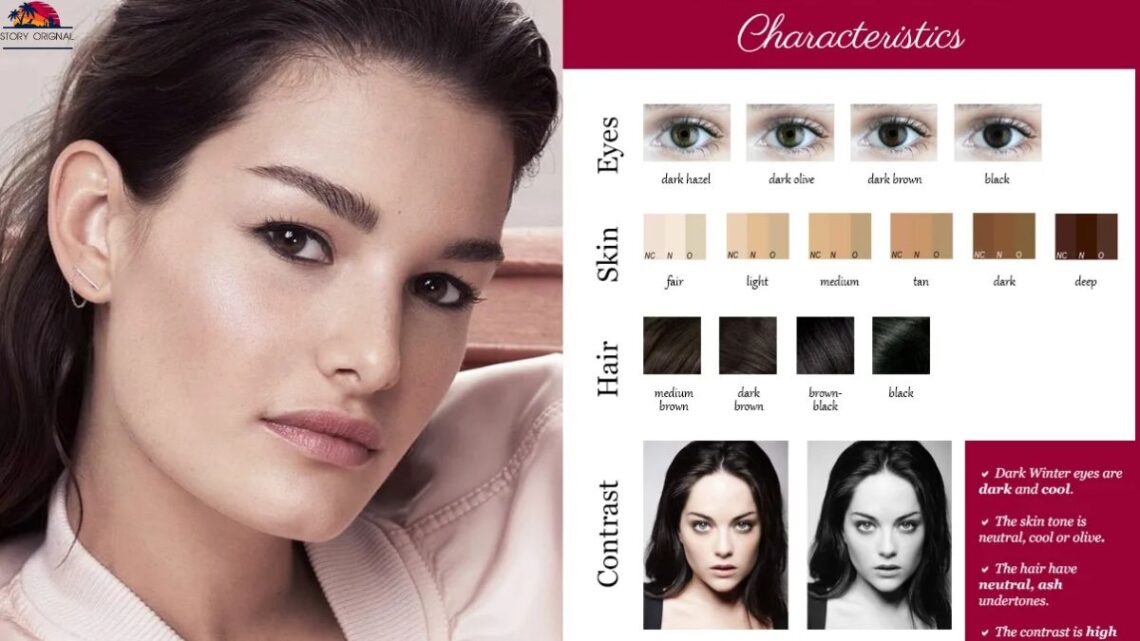
Dark Winter Characteristics: Skin, Eyes, Hair & Contrast
Dark Winter belongs to the Winter family, which means it shares cool undertones, clear intensity, and high contrast. However, its defining feature is depth—every element of the coloring appears deeper and richer.
Skin
Dark Winter skin tones range from fair to deep, but they always contain cool or neutral-cool undertones. You may have pink, olive, or beige undertones. The skin often looks smooth and sharp under cool light. Colors like icy pink or soft lavender bring clarity, while warm peach tones make the complexion dull.
Eyes
Dark Winter eyes are dark and intense. They may appear black-brown, deep hazel, dark olive, or charcoal gray. The eye border is usually strong and well-defined, giving your gaze a striking presence.
Hair
Hair colors typically include dark brown, espresso, black-brown, or soft black. Some people have cool highlights naturally, giving the hair a slight blue-black sheen in sunlight.
Contrast
Your natural contrast is high or medium-high—meaning there is a visible difference between your skin, eyes, and hair. That’s why stronger colors complement you rather than overwhelm you.
Dark Winter Color Palette Explained (Hue, Value, Chroma)
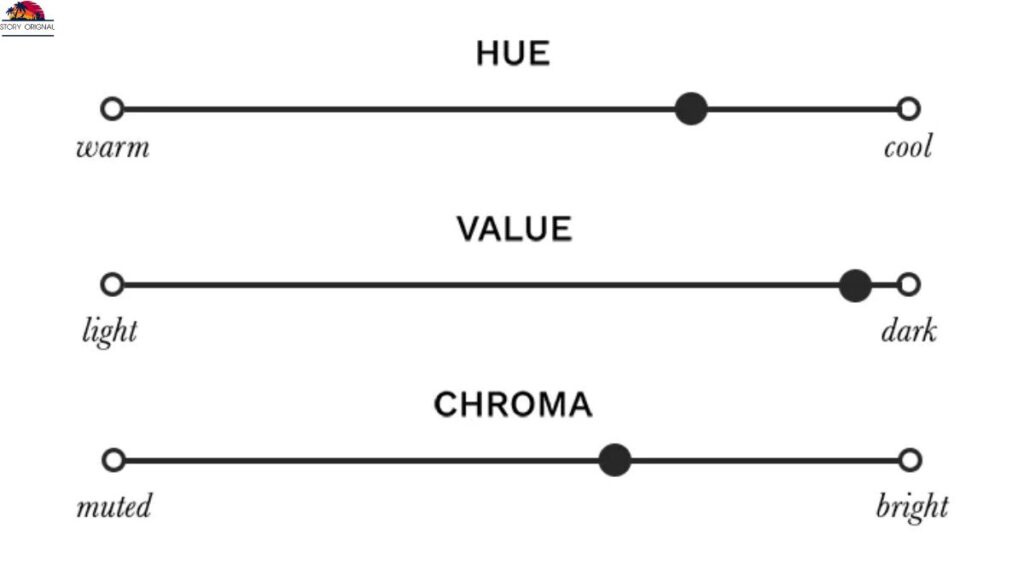
The Dark Winter palette is deep, cool, and vivid. Its hue leans cool but allows slight neutral influence from Autumn. Its value is generally dark, and its chroma is medium-to-high, meaning colors appear clear rather than dusty.
Hue
Mostly cool, leaning slightly toward the neutral side. It allows some earthy shades, but only if they stay cool and deep.
Value
Lower value (darker shades dominate). This is why rich jewel tones and strong contrasts look natural.
Chroma
Medium-high chroma. Colors should be clear, sharp, and clean—not muted or faded.
Colors like black, pine green, dark raspberry, deep plum, and midnight blue form the core of the Dark Winter palette. These shades make your features pop and give your skin a luminous finish.
Best Colors for Dark Winter Skin Tone
Dark Winter shines in bold, cool, deep hues. These colors create a balanced harmony with your natural coloring.
- Black — A perfect neutral for you.
- Charcoal gray — Adds sophistication without dullness.
- Burgundy & wine — Deep reds enliven your complexion.
- Emerald green — Enhances cool undertones beautifully.
- Royal blue — Makes your eyes look brighter and sharper.
- Deep purple & plum — Add richness to your features.
- Dark teal — One of the signature Dark Winter shades.
- Berry & fuchsia — Great for clothing and makeup.
These shades create vibrancy and balance across outfits, accessories, and makeup.
Worst Colors for Dark Winter (What to Avoid)
Dark Winters should avoid warm, light, or dusty shades because they clash with the cool intensity of the palette.
Avoid:
- Warm oranges
- Golden yellows
- Peach and coral
- Beige or camel
- Warm browns
- Muted pastels
- Soft earth tones
- Creamy off-white tones
These colors make your skin appear dull or yellowish and reduce your natural clarity and contrast.
Dark Winter vs Dark Autumn: Full Comparison
Dark Winter and Dark Autumn are sister seasons—they share depth and richness, but their temperature and clarity differ.
| Feature | Dark Winter | Dark Autumn |
| Undertone | Cool | Warm-neutral |
| Contrast | Higher | Medium |
| Best Colors | Jewel tones | Earthy tones |
| Neutrals | Black, cool gray | Brown, olive |
| Makeup | Blue-based | Warm-based |
If cool, bold colors suit you better, you’re most likely Dark Winter. If warm, earthy tones look balanced on you, you lean toward Dark Autumn.
Best Dark Winter Color Combinations for Outfits
Dark Winter outfits look best when you use high contrast and pair deep shades with clear accents.
Try These Combinations:
- Black + deep red
- Charcoal + icy pink
- Navy + white
- Emerald + black
- Wine + silver
- Dark teal + plum
These combinations maintain depth while keeping the look dynamic and fresh.
Dark Winter Neutral Colors (Best Blacks, Whites, Grays)
Neutrals form the foundation of every Dark Winter wardrobe.
Best Neutrals:
- True black (signature neutral)
- Charcoal gray
- Jet black
- Graphite
- Cool navy
- Icy white
- Steel gray
Avoid:
- Cream
- Beige
- Warm taupe
- Soft browns
Stick to cool, crisp neutrals to maintain balance.
Patterns & Prints That Flatter Dark Winter
Patterns should match your natural contrast. Sharp, clear, cool-toned designs work best.
Best Styles:
- High-contrast prints
- Geometric patterns
- Cool floral designs
- Jewel-toned abstract prints
- Black-and-white combinations
Avoid faded, pastel, or earthy patterns—they wash out your sharp coloring.
Best Jewelry and Accessories for Dark Winter
Dark Winters shine in cool-toned metals and jewel colors.
Best Jewelry:
- Silver
- Platinum
- White gold
- Black diamonds
- Sapphire
- Amethyst
- Emerald
Avoid yellow gold, rose gold, and warm coral jewelry—they clash with cool undertones.
Best Hair Colors for Dark Winter (What Works & What Doesn’t)
Hair color should enhance contrast and stay cool.
Best Hair Colors:
- Espresso brown
- Soft black
- Natural black
- Blue-black
- Cool dark brown
- Ashy lowlights
Avoid:
- Warm chocolate brown
- Golden highlights
- Honey blonde
- Copper or auburn
- Caramel balayage
Warm tones create imbalance in the face.
Makeup Guide for Dark Winter (Eyes, Lips, Blush)
Makeup should echo the palette: deep, cool, bold, and clear.
Eyeshadow
- Charcoal
- Plum
- Navy
- Deep taupe
- Cool browns
Lips
- Berry
- Wine red
- Deep plum
- Blue-based red
- Fuchsia
Blush
- Cool rose
- Raspberry
- Deep berry
Avoid peach, coral, and warm browns.
Dark Winter Sister Palettes (Dark Autumn & True Winter)
Dark Winter sits between Dark Autumn (neutral-warm) and True Winter (pure cool). It shares depth with Dark Autumn and coolness with True Winter. If you feel some warm shades work but only in darker tones, you might be Dark Winter transitioning toward Dark Autumn.
Dark Winter Capsule Wardrobe Guide
A capsule wardrobe helps create cohesive outfits quickly. Start with cool, deep neutrals and add statement colors.
Essentials:
- Black tailored blazer
- Charcoal trousers
- Deep plum sweater
- Navy coat
- Berry scarf
- Dark teal dress
- Silver accessories
- Black boots
Stick to your palette to maintain a polished, effortless look.
Deep Winter vs Bright Winter: What’s the Difference?
Although both belong to the Winter family, Deep Winter (Dark Winter) and Bright Winter differ in clarity.
Deep/Dark Winter
- Deep and cool
- Lower chroma
- Jewel tones
- High contrast
Bright Winter
- Cool with a slight warm influence
- Very high chroma
- Neon-like brightness
- Crisp ice colors
If very bright colors overpower you, you’re not a Bright Winter—you’re likely a Dark Winter.
How to Do a DIY Color Draping Test at Home
You can easily test your season with a few fabrics at home.
Step 1: Test Metal
Hold silver on one side of your face and gold on the other. Silver should make your skin look healthier.
Step 2: Test Black vs. Brown
Black should brighten your eyes; brown will look dull.
Step 3: Test Cool vs. Warm Reds
Blue-based red looks flattering; orange-red makes skin look uneven.
Step 4: Test Soft Pastels vs. Deep Shades
Pastels wash you out; deep jewel tones make your features pop.
If these results match you, you’re almost certainly a Dark Winter.
Final Thoughts
Dark Winter is one of the most powerful and elegant color seasons. With cool undertones, deep coloring, and high contrast, you’re naturally suited for bold, dramatic shades that enhance your features beautifully. When you use the right colors—whether in makeup, outfits, hair, or accessories—you bring out clarity, brightness, and definition in your appearance. This complete guide helps you understand your palette effortlessly so you can build a wardrobe and style that truly highlights your natural beauty.