What Is Time Management?
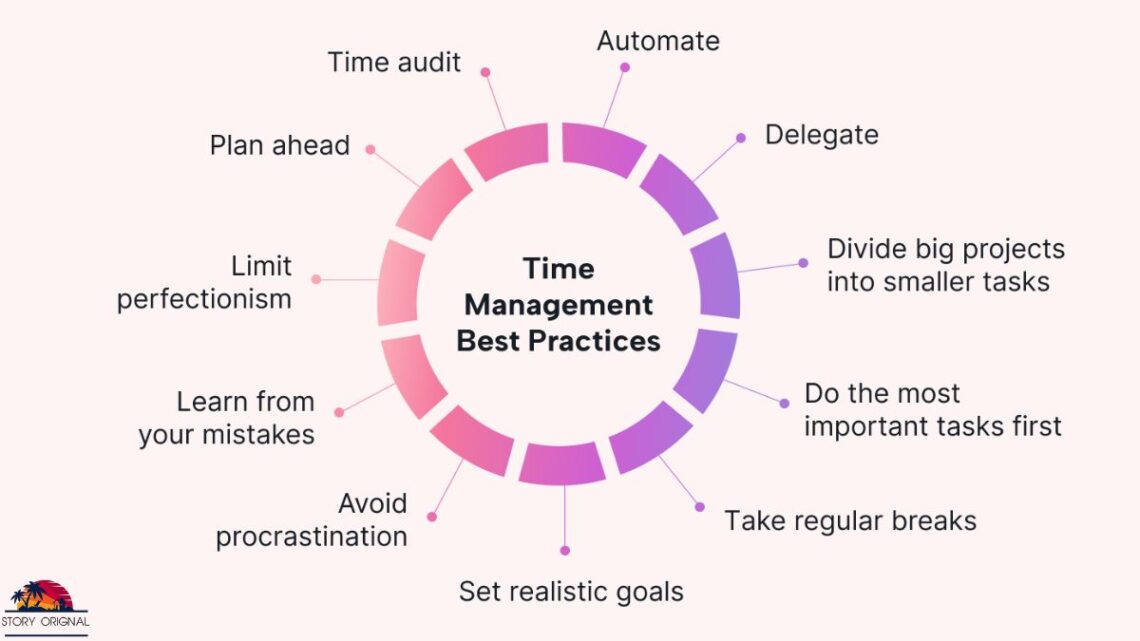
Time management is the art and science of planning how to allocate your hours effectively to accomplish tasks and achieve goals. At its core, time management helps you prioritize what matters most, minimize distractions, and make deliberate choices about how to spend every hour of your day. Successful time management isn’t just about doing more; it’s about doing what matters efficiently and purposefully.
Effective time management allows individuals to achieve a work-life balance, reduce stress, and increase overall productivity. It requires understanding your priorities, setting clear goals, and developing strategies to complete tasks without wasting time. Mastering time management is essential for professionals, students, entrepreneurs, and anyone looking to optimize their daily routines.
Time Management Strategies: How to Plan Your Day Effectively
A solid time management strategy is your blueprint for achieving goals efficiently. It involves deciding which tasks deserve your attention first and determining the most effective methods to complete them. Planning your day effectively starts with identifying priorities, estimating how long tasks will take, and scheduling them strategically.
Some key strategies include using daily to-do lists, applying time-blocking methods, or following productivity frameworks like the Eisenhower Matrix. These strategies ensure that high-priority tasks receive adequate attention and reduce the chances of procrastination. Additionally, revisiting your strategy regularly allows you to adjust and refine it based on daily challenges and outcomes.
6 Most Important Time Management Strategies You Should Know
- Create a To-Do List: Organizing tasks in a simple list keeps you focused on what must be done. Ranking tasks by importance ensures critical items are completed first.
- Tackle the Most Difficult Task First: Completing challenging tasks early can reduce stress and make remaining work feel easier.
- Minimize Distractions: Identify and remove interruptions like notifications, unnecessary meetings, or social media during work periods.
- Lead a Healthy Lifestyle: Adequate sleep, proper nutrition, and regular exercise enhance concentration and productivity.
- Set Clear Priorities: Knowing which tasks are urgent versus important helps allocate time efficiently and avoid wasting effort on low-value work.
- Use Productivity Tools and Software: Apps like Rescuetime, Toggl Track, and project management tools help monitor progress and manage time effectively.
These strategies, when implemented consistently, can significantly improve daily efficiency and reduce wasted hours.
Time Management Techniques: Methods to Boost Your Productivity
Time management techniques are actionable methods designed to implement your strategy effectively. Techniques can range from simple methods like the Pomodoro technique to more structured systems like Getting Things Done (GTD). The goal is to optimize focus, reduce stress, and maximize output in every work session.
Choosing the right technique depends on your work style, personal strengths, and the type of tasks you handle. Experimenting with multiple techniques allows you to find the one that suits your needs and aligns with your productivity goals.
17 Most Effective Time Management Techniques
- Pomodoro Technique: Work in 25-minute intervals followed by 5-minute breaks to enhance focus.
- Eisenhower Matrix: Prioritize tasks by urgency and importance for better decision-making.
- Parkinson’s Law: Allocate time limits to tasks to prevent overextending work periods.
- Kanban Technique: Visualize tasks moving through stages from “To-Do” to “Done.”
- Getting Things Done (GTD): Capture, clarify, organize, reflect, and engage with tasks efficiently.
- Time Blocking Method: Divide your day into blocks dedicated to specific tasks.
- Pickle Jar Technique: Categorize tasks as rocks (high priority), pebbles (medium), and sand (low).
- Eat That Frog: Complete the hardest task first to make the rest easier.
- Timeboxing Technique: Allocate a fixed period for each task to enhance efficiency.
- Deep Work: Dedicate focused periods for complex, high-value work.
- ABCDE Method: Assign tasks from A (most important) to E (least important) for structured prioritization.
- Rapid Planning Method (RPM): Focus on results, purpose, and massive action planning.
- SMART Method: Ensure tasks are Specific, Measurable, Achievable, Relevant, and Time-bound.
- POSEC Method: Prioritize, Organize, Streamline, Economize, and Contribute to tasks.
- Biological Prime Time: Work on high-priority tasks during your peak energy periods.
- Pareto Analysis: Focus on the 20% of tasks that yield 80% of results.
- 1-3-5 Rule: Manage daily tasks by completing 1 big, 3 medium, and 5 small tasks.
These techniques, when practiced consistently, provide a framework for improved productivity, focus, and task completion.
Time Management Skills: How to Organize, Prioritize, and Focus
Time management skills are the personal abilities that allow you to plan, organize, and execute tasks efficiently. Key skills include goal setting, prioritization, scheduling, focus, and delegation. Developing these skills ensures that time management strategies and techniques can be applied successfully in your daily life.
Strong time management skills also involve self-discipline, stress management, and the ability to adapt to unexpected challenges. By mastering these skills, you can ensure that work is completed on time, personal life is balanced, and goals are consistently met.
9 Essential Time Management Skills for Work and Life
- Organization: Keeping tasks, projects, and schedules well-structured.
- Concentration: Maintaining focus and avoiding multitasking distractions.
- Delegation: Assigning tasks effectively to team members or colleagues.
- Stress Management: Handling pressure without reducing productivity.
- Avoiding Procrastination: Staying disciplined and consistent.
- Prioritization: Determining which tasks are urgent or important.
- Rest and Recovery: Incorporating breaks to maintain energy levels.
- Goal Setting: Defining short-term and long-term objectives clearly.
- Scheduling: Allocating specific time slots for tasks and activities.
These skills not only improve productivity but also reduce stress and enhance work-life balance.
7 Best Tips to Improve Your Time Management Skills
- Determine Your Priorities: Focus on tasks that matter most using tools like the Eisenhower Matrix.
- Avoid Multitasking: Devote attention to one task at a time for higher efficiency.
- Eliminate Distractions: Create a workspace that minimizes interruptions.
- Learn to Say No: Protect your time by declining non-essential tasks.
- Use Time Management Apps: Tools like Toggl Track and Rescuetime help monitor productivity.
- Organize Your Day: Use calendars, schedules, and to-do lists for structured planning.
- Take Regular Breaks: Short breaks improve focus and prevent burnout.
Implementing these tips gradually can help build sustainable time management habits.
How to Avoid Multitasking and Stay Focused
Multitasking reduces efficiency and can harm cognitive performance. To stay focused:
- Complete one task at a time.
- Schedule dedicated focus periods for important work.
- Use productivity apps to block distractions.
- Set boundaries for notifications, emails, and meetings.
Concentrating on a single task improves output quality, reduces errors, and saves time in the long run.
How to Avoid Distractions and Increase Productivity
Distractions are a major obstacle to effective time management. Strategies to minimize distractions include:
- Turning off phone notifications.
- Allocating specific times to check emails and messages.
- Creating a dedicated workspace.
- Using website blockers during deep work periods.
Reducing distractions allows you to maintain consistent focus, finish tasks faster, and reduce stress.
How to Set Priorities and Achieve Your Goals
Setting priorities ensures that high-impact tasks receive attention first. To do this effectively:
- List all tasks and categorize by urgency and importance.
- Identify tasks that align with long-term goals.
- Delegate or eliminate low-value tasks.
- Review and adjust priorities regularly.
Prioritization ensures that your efforts contribute directly to goal achievement and overall productivity.
Benefits of Improving Your Time Management Skills
- Reduced Stress: Proper planning reduces last-minute pressure and anxiety.
- Enhanced Productivity: Efficient use of time allows you to accomplish more daily.
- Better Work-Life Balance: Balanced scheduling ensures time for personal and professional life.
- Goal Achievement: Consistent focus and prioritization accelerate reaching objectives.
- Increased Energy: Structured routines and breaks maintain physical and mental energy.
Investing in time management skills pays off by improving overall quality of life and work performance.
Key Takeaways: Mastering Time Management for Work-Life Balance
- Effective time management is about planning, prioritizing, and executing tasks efficiently.
- Strategies, techniques, and skills work together to enhance productivity.
- Avoid distractions, multitasking, and procrastination for maximum results.
- Use tools, schedules, and techniques like Pomodoro, GTD, and time blocking.
- Focus on maintaining a healthy lifestyle and resting properly to sustain energy levels.
- Consistent practice leads to reduced stress, better work-life balance, and goal achievement.
Mastering time management transforms not only how you work but also how you live, providing more time for personal growth, leisure, and success.
Final Thought:
Mastering time management is not just a productivity hack—it’s a lifestyle choice that empowers you to achieve your goals, reduce stress, and create a balanced life. By implementing effective strategies, practicing essential skills, and staying focused, you can make every hour count and unlock your full potential both at work and in life. Consistency, discipline, and smart planning are the keys to turning time from a challenge into your greatest advantage by storyOrignal.
Read more: https://storyorignal.com/freelancing-tips-success/