I used to believe that I comprehended the Balkans. In my mind, it was almost all rugged mountains, serious history, and that vague “Eastern Europe” label folks toss around if they do not know what else to say. I had hoped for intensity and possibly even hardship. I certainly did not anticipate softness, elegance or the warmth that makes you feel like you have returned to a place you didn’t know you belonged. Romania not only changed my mind but silently rewired it.
The Stereotypes I Packed Without Realizing
Just before I arrived, I carried presumptions disguised as “research.” That the region could feel behind the times. That the towns might be grey as well as the countryside isolated. That I would have to keep my guard up. It is not something I am proud of, but it was there, built from headlines as well as half informed conversations.
That narrative started to unravel as soon as I landed. But not in a dramatic manner, but in small, persistent contradictions. A well-dressed couple laughs while drinking espresso. A tidy metro stations. A stranger lends a helping hand without expecting something in return. Romania was not requesting that I be impressed. It was merely being itself.
Bucharest: Not what I Expected, Not What I Was Told
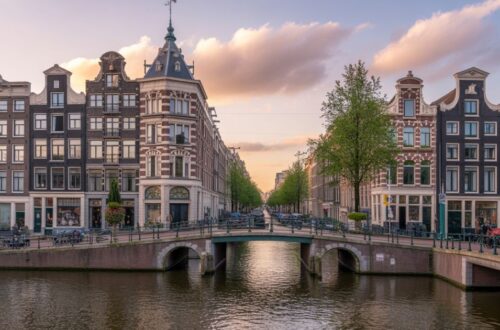
The contrast of Bucharest first struck me. Large boulevards as well as grand structures suggest an old-world confidence, while side streets bustle with cafes, bookstores as well as contemporary galleries. The city was layered as opposed to chaotic, the type of city that encourages curiosity rather than rushes you along.
The energy was what surprised me the most. There is a creative, even bold pulse here. Young people starting new businesses. Locals discussing art and food as if it were important. The city does not appear to be catching up with Europe. It really feels like it is choosing its own identity.
The Countryside That Made Me Slow Down
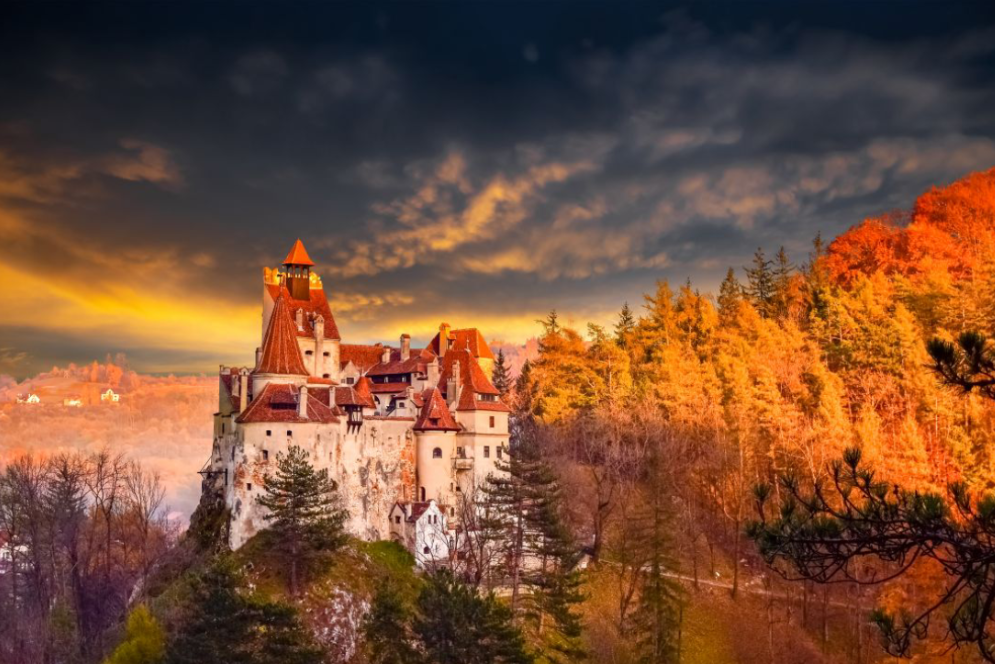
I left the city and something changed. The landscapes of Romania are not only picturesque but also psychologically calming. The Carpathians rise like a wall of protection, the forests appear to be endless as well as the towns feel like lived stories rather than merely displayed ones.
As morning mist rolled over hills, I felt time move differently here. The meals lasted longer. Checking phones didn’t interrupt conversations. Even silence appeared to be companionable. I realized how much noise I had been carrying and just how quickly Romania took it from me without asking.
Individuals Who Made the Place Feel Personal
The scenery was not the main surprise. It had been the people. The quiet humor and grounded kindness of Romanians is unrehearsed. They may be charmingly blunt, cozy without being too familiar, and proud without being pompous.
Homemade pastries were offered to me as if it was the normal thing on the planet in small towns. In cities, people provided suggestions which felt personal, not like they had been reading a script. I began to understand the Balkans are not “tough.” They are resilient. There is a difference.
How Guided Travel CHANGED Everything Changed Everything.
Without that structure, I know there were moments I’d have missed. A peaceful church with fading frescoes and a story behind each brushstroke. Hidden behind a gate you would not think to open is a family-run winery. During a drive through the mountain ranges, a local legend was casually shared. When tours to Romania are planned with intention, they feel transformative because you are not merely moving through places, you are moving by meaning.
Balkan Trails is a thoughtful choice for travelers looking for a greater experience without resorting to a strict itinerary. The Romania tours they offer tend to be based on culture, scenery as well as local connection, creating a curated experience rather than a commercial one.
FAQs
Why is Romania often misunderstood as part of the Balkans?
Romania shares cultural influences with the Balkans but has a distinct history shaped by Latin, Eastern, and Central European roots.
What makes Romania different from other Balkan countries?
Its mix of medieval towns, Carpathian landscapes, and Latin-based language sets it apart from its neighbors.
Is Romania culturally closer to Eastern or Western Europe?
Romania blends both, combining Eastern traditions with Western architecture, values, and modern city life.
What surprised travelers most about Romania?
Many are surprised by its well-preserved nature, vibrant cities, and welcoming local communities.
Does Romania fit the typical Balkan stereotype?
Not entirely—Romania challenges common stereotypes with its diversity, safety, and modern infrastructure.
Which places in Romania change travelers’ perceptions the most?
Transylvania, Bucharest, and Sibiu often leave the strongest and most unexpected impressions.
Is Romania worth visiting for first-time Balkan travelers?
Absolutely—Romania offers a fresh perspective and often becomes a highlight of any regional trip.
Conclusion:
Romania truly reshapes what travelers think they know about the Balkans. From its breathtaking landscapes and medieval towns to its unique culture and warm communities, the country offers experiences that are both unexpected and unforgettable. Visiting Romania isn’t just about seeing a new place—it’s about challenging assumptions and discovering a side of the Balkans that many often overlook.